
Lishihchen's barrenwort
Epimedium lishihchenii
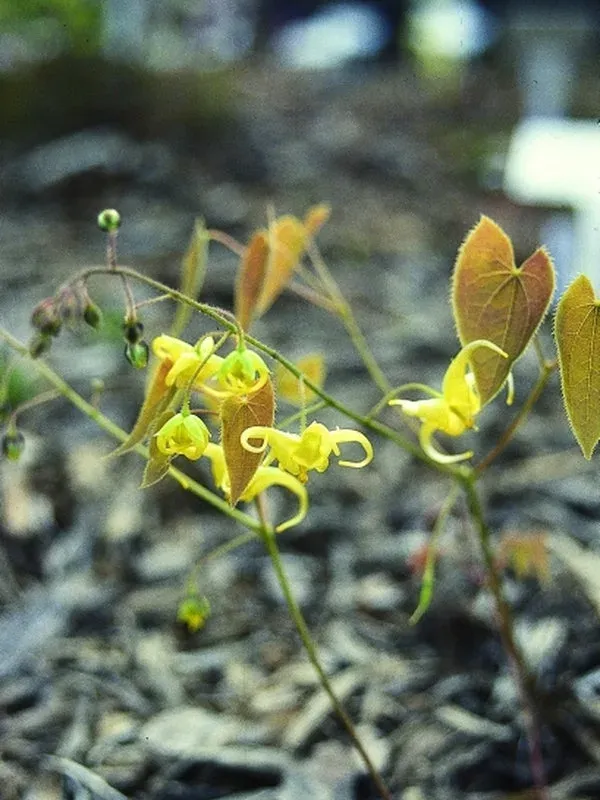
Description
Growing requirements
Lishihchen's barrenwort (Epimedium lishihchenii) is a perennial herbaceous plant belonging to the family Berberidaceae. Native to China, it naturally thrives on shaded forest slopes, which dictates its preference for partial to full shade when cultivated in gardens or plantations.
For successful cultivation, the plant requires loose, fertile, and moderately moist soil with good drainage, rich in organic matter. Water stagnation in the root zone is detrimental, so planting in heavy clay soils requires adding a drainage layer of sand or fine gravel.
The culture is highly cold-hardy, although in regions with severe winters without snow cover, applying organic mulch is highly recommended. It is crucial to shield the plants from intense direct afternoon sun, which can scorch the foliage and decrease the plant's overall vitality.
Agrotechnical care includes regular watering during dry spells, as the root system of Epimedium is sensitive to drought. In the spring, applying complex mineral fertilizers or compost helps maintain robust growth and ensures abundant flowering throughout the season.
Economically, this species is highly valued in landscaping as an excellent groundcover plant. Furthermore, it holds potential in the pharmaceutical industry due to the presence of flavonoids and other bioactive compounds that have been utilized in traditional medicine for centuries.
Main diseases and pests
The primary threats to this species are fungal infections, specifically root rots caused by improper moisture management and waterlogged soil. If infection occurs, it is essential to remove the affected plant parts and treat the soil with appropriate systemic fungicides.
Pests that frequently threaten the culture include slugs and snails, which feed on the delicate young foliage in the spring. Protective measures such as gravel mulching or the use of approved molluscicides are effective in reducing damage to the plants.
Foliar diseases like leaf spots may occur due to high humidity and poor air circulation. Proper spacing between plants and regular weeding are necessary to ensure that the foliage dries quickly after rain and that air can move freely through the plantation.
Insect pests, such as vine weevils, may cause damage to leaves, often leaving notched edges. Control involves monitoring the plants and applying contact insecticides only when necessary to prevent significant aesthetic or physiological harm to the crop.
Disease prevention relies heavily on maintaining optimal soil pH and avoiding overcrowding. Adhering to these agronomic practices allows the barrenwort to remain healthy and decorative for many years without the need for frequent division or replanting.