
Enneatypus ramiflorus
Enneatypus ramiflorus
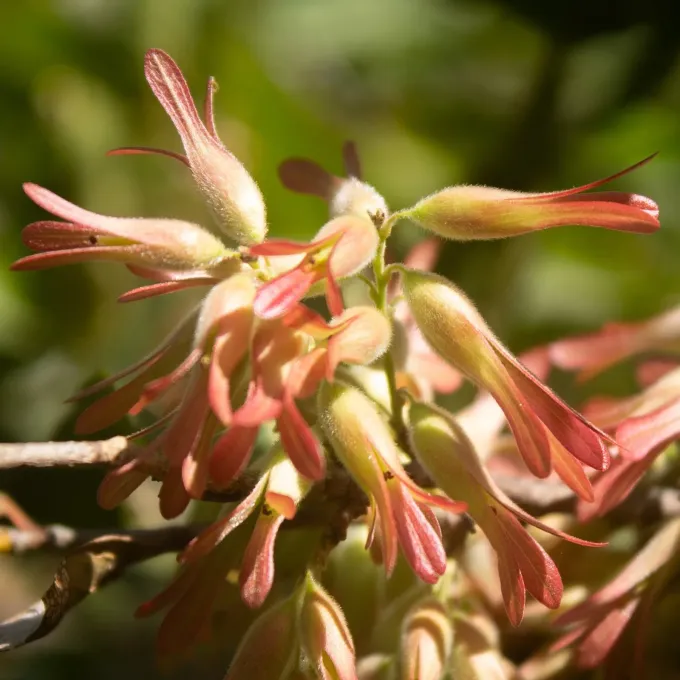
Description
Growing requirements
Enneatypus ramiflorus is a notable species within the Polygonaceae family, primarily native to the tropical forests of South America. It is recognized for its unique ramiflorous growth pattern, where flowers and fruits develop directly on the woody branches rather than on new growth tips.
The environmental requirements for this plant are strictly tropical, demanding high humidity levels throughout the year. It thrives best in environments where the ambient humidity remains consistently above 75 percent, mimicking the conditions of its native habitat under the forest canopy.
Soil management for Enneatypus ramiflorus focuses on organic matter content and structural stability. The plant prefers deep, well-draining soils rich in compost, with a slightly acidic profile that facilitates the efficient uptake of trace minerals essential for its slow and steady growth cycles.
Light management requires careful monitoring, as the species is adapted to low-to-medium light intensity. Cultivators must ensure that the plants receive filtered or indirect sunlight to prevent physiological stress caused by intense UV exposure, which can discolor the leaves and reduce biomass production.
Regarding agricultural practices, consistent monitoring of nutrient levels is essential, particularly nitrogen and phosphorus availability during the early stages of establishment. Proper spacing is also crucial to ensure adequate airflow between branches, which prevents the buildup of humidity-related pathogens within the dense canopy.