
Englerodaphne pilosa
Englerodaphne pilosa
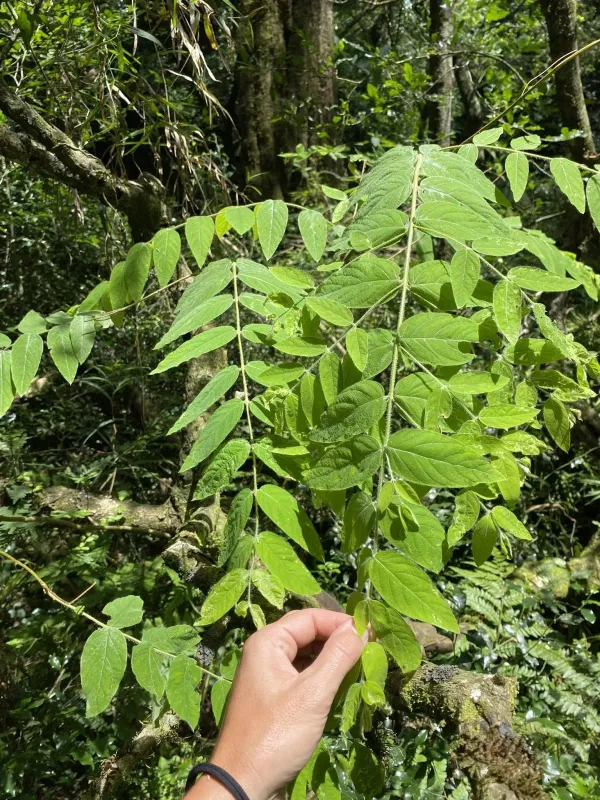
Description
Growing requirements
Englerodaphne pilosa is a perennial shrub belonging to the Thymelaeaceae family. It is native to the mountainous forest regions of Africa, thriving in specific eco-climatic conditions that provide a balance of heat and moisture.
The crop requires well-drained, fertile soils with a neutral or slightly acidic pH. Due to its natural habitat, it is particularly adapted to slopes where water drainage is efficient, preventing root rot, which is a common issue for this species.
Climatic requirements focus on moderate temperature ranges, typically between 15°C and 25°C. It prefers locations with consistent humidity but requires protection from excessive waterlogging, which can be detrimental to plant health.
Cultivation practices involve site preparation that ensures adequate exposure to sunlight. While the plant can tolerate partial shade, optimal growth and fiber density are achieved in areas with clear exposure to natural light and protection from heavy winds.
The biological cycle is relatively slow, making establishment an important stage. Farmers must ensure weed control during the early growth phases to allow the shrub to develop its characteristic fibrous bark, which is the primary economic component.
Main diseases and pests
The primary threats to Englerodaphne pilosa involve fungal infections affecting the root system. These often occur in low-lying areas where stagnant water promotes the development of soil-borne pathogens and root rot.
Pests that damage the bark are of particular concern as they degrade the quality of the raw material. Insects feeding on succulent young shoots can also hinder the growth rate of the shrub during its vegetative stage.
Integrated pest management strategies are recommended, focusing on the use of resistant planting material and appropriate spacing to enhance airflow around the plants. This reduces the micro-climatic humidity favorable for fungi.
Regular field scouting is essential to identify early signs of infestation. Implementing organic control measures is often favored to protect the plant fibers from chemical contamination, ensuring high-quality output for industrial processing.
The sustainable management of the crop also requires protecting natural populations from over-harvesting. Commercial cultivation under controlled conditions is an effective approach to meeting industrial demand while conserving the species.