
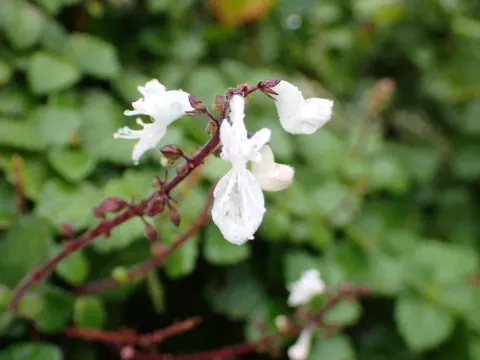
Englerastrum
Englerastrum
Sowing of Englerastrum is primarily conducted in greenhouses due to its tropical origin and high sensitivity to temperature fluctuations. Early spring is considered the optimal time to start the propagation process to ensure a long growing season.
What the section contains
Englerastrum
The seeds require a light and well-draining substrate to prevent rotting. Surface sowing is recommended as many species in this family need light exposure to trigger germination effectively.
Temperature control is vital; maintaining a constant range of 22–25 degrees Celsius significantly boosts the success rate of the nursery phase. Consistent humidity must be managed during the first few weeks.
Pricking out the seedlings into individual pots is a necessary step once the first set of true leaves appears. This process encourages a strong root system, which is essential for the plant's resilience after transplanting.
Acclimatization to outdoor conditions should be done gradually. Moving plants outside before the soil has reached the required temperature can lead to stunted growth and loss of vigor.
Englerastrum, a member of the Lamiaceae family, requires bright, indirect light to thrive. Harsh, direct sunlight during the peak of the day should be avoided to prevent leaf scorch and dehydration.
The soil must be fertile, rich in organic matter, and possess excellent drainage capabilities. A slightly acidic to neutral pH is preferred for optimal nutrient uptake in this specific culture.
Regular irrigation is essential during the vegetative stage, though the top layer of the soil should be allowed to dry slightly between waterings. Excessive moisture must be avoided at all costs to prevent rot.
Supplementing the soil with organic compost prior to planting provides a stable base of nutrients. During the peak growing season, balanced liquid fertilizers can be applied every two to three weeks.
Climatic conditions should favor mild, warm weather. Protection from strong winds is recommended, as the stems of the plant can be susceptible to mechanical damage in exposed fields.
Root rot is the most common threat to Englerastrum, often triggered by over-irrigation or heavy, compacted soil. Proper drainage and aeration are the primary defensive measures for growers.
Spider mites are prevalent pests in dry and warm environments. Regular monitoring of the foliage, especially the underside of leaves, is necessary to catch infestations before they cause significant damage.
Aphids can also pose a risk by congregating on the tender new growth. Integrated pest management, including the use of mild horticultural soaps, is typically sufficient for control in small to medium patches.
Powdery mildew may develop in stagnant, humid conditions. Ensuring adequate spacing between plants allows for better airflow, which significantly reduces the risk of fungal spread throughout the crop.
General plant health is maintained through a combination of crop rotation and the prompt removal of any infected plant material to minimize the survival of pathogens in the soil.