
Englerarum montanum
Englerarum montanum
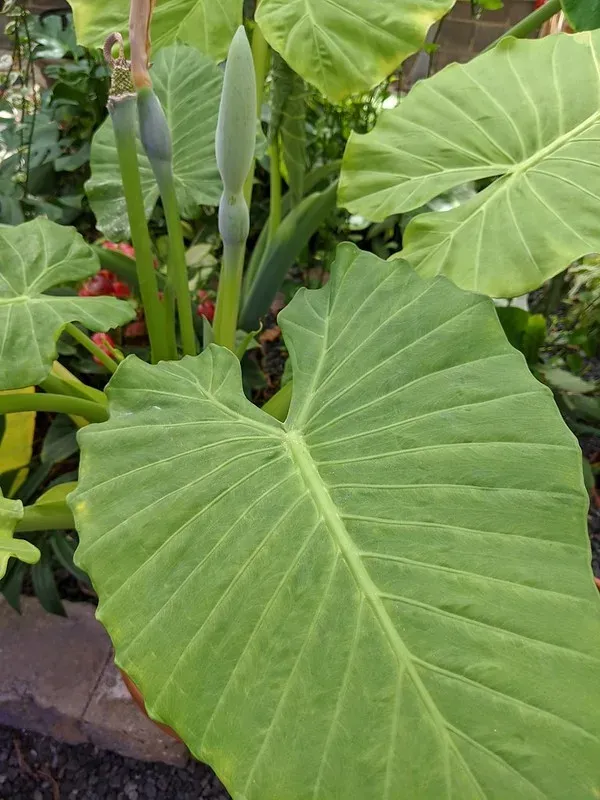
Description
Growing requirements
Englerarum montanum is a specialized hybrid plant belonging to the Araceae family. This species is recognized for its unique morphology, which requires precise environmental control to ensure healthy development and vigorous growth in an agricultural or greenhouse setting.
The crop thrives in well-drained, nutrient-rich substrates that mimic forest floor conditions. Optimal soil pH levels typically range between 5.5 and 6.5, which facilitates the efficient uptake of micro- and macronutrients essential for the plant's metabolic functions.
Climate requirements for this culture include stable ambient temperatures and high humidity levels. Maintaining a climate within the 20–25 degrees Celsius range is critical to prevent plant stress and to ensure the continuous production of healthy vegetative biomass.
Light management is a vital aspect of the cultivation process. Englerarum montanum prefers bright, indirect light, as direct sunlight can cause significant damage to the leaf tissue, leading to chlorosis and potential long-term growth inhibition.
Water management must be approached with caution to avoid waterlogging, which is a major risk for this species. Implementing a drip irrigation system or a well-regulated manual watering schedule helps maintain soil moisture while ensuring proper root aeration.
Main diseases and pests
The primary pathological threats to Englerarum montanum include fungal infections, particularly root rot and leaf spot, which are often exacerbated by poor drainage and excessive humidity. Integrated pest and disease management (IPDM) is recommended to mitigate these risks effectively.
Insect pests, including spider mites and mealybugs, represent common threats that can undermine plant health. Regular monitoring and the application of selective insecticides or biological control agents are essential for maintaining the quality and appearance of the plants.