
Endressia pyrenaica
Endressia pyrenaica
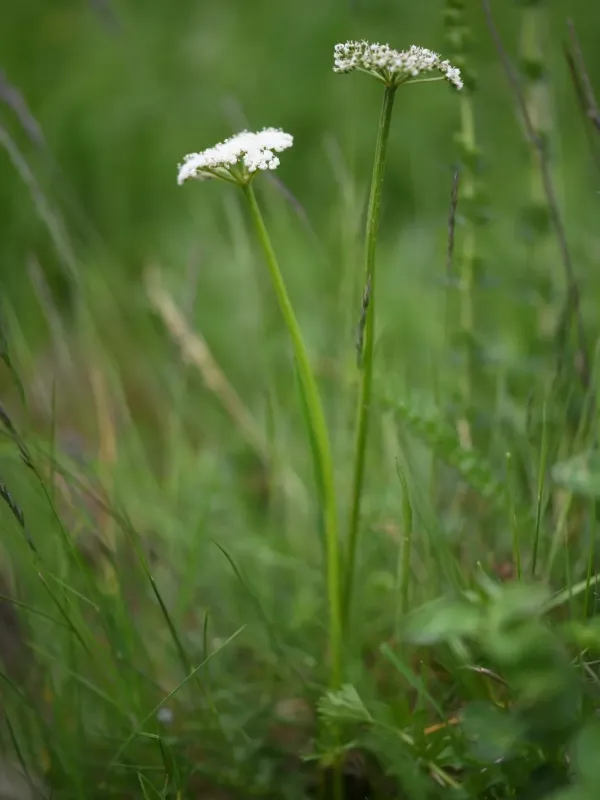
Description
Sowing dates
Endressia pyrenaica is primarily propagated through seeds, which is the most reliable method to maintain the characteristics of this mountain species. Sowing is best performed in the autumn to allow for natural stratification in cool temperatures.
In a controlled nursery environment, sowing should take place in late winter within cold frames. It is crucial to use a well-draining substrate to ensure that the seeds do not decay before germination occurs in the spring.
The germination process of this species is sensitive to moisture levels and temperature fluctuations. Mimicking the mountain snowmelt environment often significantly improves the germination rate.
Seedlings should only be transplanted into open soil after all risks of late spring frosts have passed. Due to the delicate nature of its root system, it is recommended to use peat pots to minimize disturbance.
Consistent, light watering is essential during the initial weeks after planting to ensure the seedlings successfully establish themselves in their new environment.
Growing requirements
Endressia pyrenaica is a perennial herbaceous plant belonging to the Apiaceae family. It is native to the high-altitude regions of the Pyrenees, where it grows on rocky slopes and within alpine meadows.
This crop requires well-drained, sandy or stony soil conditions with a neutral to slightly acidic pH. Avoiding waterlogging is a primary requirement, as the roots are highly susceptible to rot in stagnant moisture.
The plant thrives in locations with good sun exposure. While it is adapted to high light levels, in regions with intense summer heat, some light shading during the afternoon may be beneficial.
Endressia pyrenaica is highly frost-hardy, reflecting its origin in alpine ecosystems. It can withstand significant temperature fluctuations, which makes it suitable for gardens in colder climates.
General maintenance involves keeping the soil moderately moist and ensuring adequate aeration. Providing a stable environment without excessive fertilization helps maintain the plant's natural, compact growth habit.
Main diseases and pests
The primary threats to Endressia pyrenaica are fungal diseases, particularly root rot, which develop under conditions of high humidity or poor soil drainage. Proper site selection is vital to prevent these issues.
Slugs and snails are common pests that feed on the tender young leaves during the early spring. Regular monitoring and the use of physical or biological barriers are recommended for effective pest management.
Aphid infestations may occur on the flowering stems, weakening the plant's vigor. If spotted early, these can be controlled with targeted insecticide treatments or mechanical removal.
Poor air circulation, especially in humid or confined growing areas, can lead to outbreaks of powdery mildew. Maintaining adequate spacing between plants is an effective preventive measure.
Improper soil nutrition can cause chlorosis or general growth stunting. Using balanced, low-concentration fertilizers formulated for alpine plants can help avoid nutrient deficiencies and promote health.