
Emmenopterys henryi
Emmenopterys henryi
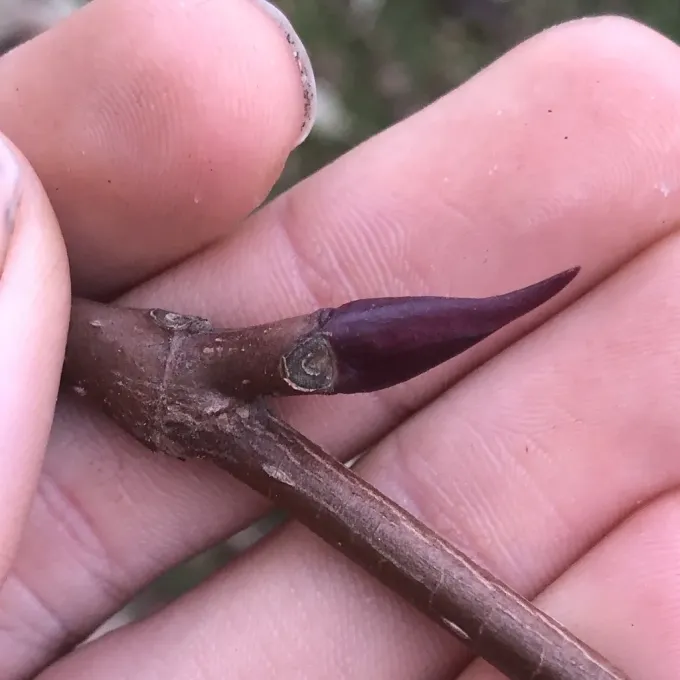
Description
Growing requirements
Emmenopterys henryi is a rare, deciduous tree belonging to the Rubiaceae family. It is highly valued in horticulture for its spectacular, fragrant white flowers and elegant foliage, often considered a collector's item in botanical gardens.
Native to the forests of China, this species requires a sheltered location with rich, deep, and well-draining soil. It thrives best in environments that mimic its natural habitat: moist but aerated soil with a slightly acidic to neutral pH level.
The climate requirements include protection from harsh, drying winds and extreme frosts, particularly during the juvenile stage. While mature trees demonstrate better cold hardiness, they still perform best in regions with mild temperate climates.
Adequate moisture management is crucial for the successful growth of this culture. Irrigation must be consistent, ensuring the roots do not dry out, yet avoiding waterlogged conditions which can lead to severe root stress.
Placement should provide partial shade to protect the leaves from excessive scorching during the intense summer sun. Maintaining a cool root zone, often achieved through mulching, significantly benefits the plant's long-term vitality.
Main diseases and pests
Root rot is the primary threat to Emmenopterys henryi, usually resulting from poor soil drainage or excessive irrigation. Ensuring an airy soil structure is essential for the tree's survival and health.
Pests such as aphids and spider mites may target the plant, especially if the tree is experiencing environmental stress or improper hydration. Early detection and the use of integrated pest management are recommended.
Powdery mildew can occur if there is insufficient air circulation around the crown. Pruning to maintain an open canopy structure helps reduce humidity-related fungal issues during rainy seasons.
Winter injury to the bark, known as sunscald or frost cracks, can create entry points for opportunistic pathogens. Wrapping the trunks of young trees during their first few years is a standard protective measure.
Nutrient deficiencies, particularly involving iron or magnesium, can manifest as leaf chlorosis. Regular testing of the soil and providing balanced organic amendments will keep the tree resistant to such physiological disorders.