
Elysitanion hansenii
Elysitanion hansenii
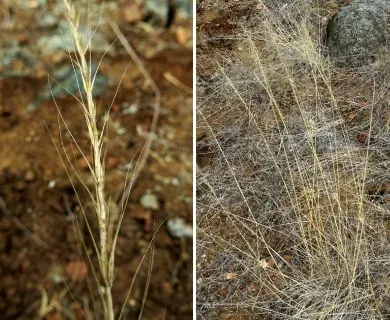
Description
Sowing dates
Sowing of Elysitanion hansenii is performed when soil temperatures reach the minimum levels required for uniform seed germination and initial development.
The optimal planting window is usually identified in early spring, allowing the plant to leverage essential moisture levels before summer heat.
Proper drill settings must be ensured to maintain a precise planting depth, which is critical for reducing seedling emergence time across the field.
Seed treatment is recommended prior to planting to enhance resilience against soil-borne pathogens and boost early-stage biomass production.
Targeting an optimal plant population density ensures that individual plants have sufficient space to develop roots and canopy effectively.
Growing requirements
This crop thrives in well-drained soils with a high organic matter content, as it requires steady access to nutrients during the growing season.
Adequate sunlight exposure is paramount for maximizing the photosynthetic efficiency and achieving high growth rates throughout the development phase.
Balanced fertilizer programs are essential to ensure the plant receives the correct ratio of macronutrients at each specific phenological stage.
Managing soil moisture through effective field drainage prevents root stagnation and fosters a healthier environment for plant growth.
Field maintenance, including regular weed management, reduces competition for resources and ensures the crop reaches its full potential.
Yield
Crop yield for Elysitanion hansenii is largely determined by the precision of agronomic practices and the climate conditions during the grain-fill period.
Adhering to strict management protocols, including nutrient management and timely irrigation, consistently leads to higher production levels.
Predicting yield outcomes requires monitoring plant health during the transition from vegetative growth to the reproductive stage of the lifecycle.
The yield potential of this crop is competitive, making it a viable option for diversified farming systems focused on high-quality outputs.
Efficient land use and proactive crop management are the foundation for sustaining high yields year after year in varying environments.
Main diseases and pests
Fungal diseases related to moisture excess pose the most significant risk to crop health, requiring close monitoring throughout the growing cycle.
Integrated pest management strategies are crucial for controlling harmful insects that might impact yield quantity and total quality of the harvest.
Preventive measures, including crop rotation and field sanitation, significantly reduce the incidence of major pests and disease outbreaks.
Scouting fields for early signs of stress allows for targeted intervention, minimizing the need for extensive chemical applications in the field.
Understanding the life cycle of regional pests helps in timing protective treatments to maximize their effectiveness and minimize environmental impact.
Harvesting
Harvesting should occur at the peak of physiological maturity to ensure the quality of the harvested material meets industry-specific standards.
Modern harvesting machinery must be calibrated correctly to reduce mechanical damage and prevent losses during the field collection phase.
Post-harvest conditioning, including drying and storage, is critical to preserve the integrity of the crop and prevent the development of mold.
Logistics planning is essential to ensure that the harvest is moved quickly to storage facilities, maintaining freshness and commodity value.
The final processing stage is an integral part of the production cycle that directly influences the market value and end-use utility of the harvest.