
Ellisiophyllum pinnatum
Ellisiophyllum pinnatum
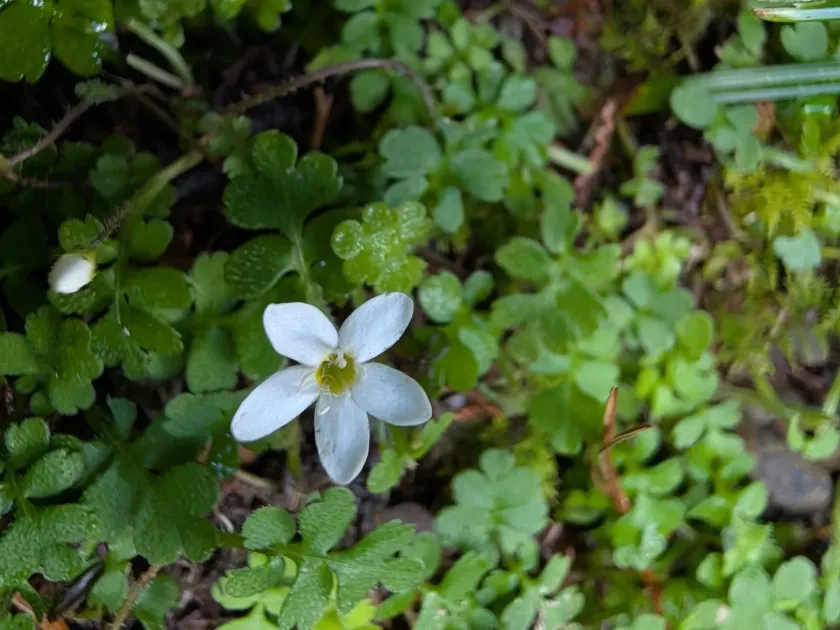
Description
Growing requirements
Ellisiophyllum pinnatum is a perennial herbaceous plant belonging to the Plantaginaceae family. It is native to the alpine regions of East Asia, primarily thriving in high-altitude environments where the climate remains cool and humid throughout the growth cycle.
Botanically, this species is recognized for its finely divided, pinnate leaves that grow from a low-lying, creeping base. This morphology allows it to form dense mats, which is a characteristic adaptation to the rocky and exposed environments of its natural mountain habitat.
To successfully cultivate this plant, one must provide well-drained soil rich in organic matter. It requires constant soil moisture but cannot tolerate waterlogged conditions, making the quality of drainage the most critical factor for its survival in a controlled environment.
Regarding climate, Ellisiophyllum pinnatum is highly adapted to temperate and alpine conditions. It prefers partial shade rather than full sun, as extreme heat and strong solar radiation can quickly dehydrate the delicate leaf structure, leading to stunted development.
In terms of agricultural and horticultural use, the plant is primarily cultivated by collectors and landscape enthusiasts for rock gardens. It is not currently utilized as a staple field crop due to its specific ecological requirements and slow growth rate.
Main diseases and pests
The primary threats to this species include soil-borne fungal diseases such as root rot. These conditions are usually triggered by excessive irrigation coupled with poor soil aeration, which prevents the roots from accessing sufficient oxygen.
Garden pests such as slugs and snails are also significant threats, especially during the spring season. Protecting the plant involves manual removal of these pests or the implementation of protective physical barriers to keep the foliage intact and healthy.