
Dypsis hybrids
Dypsis hybrids
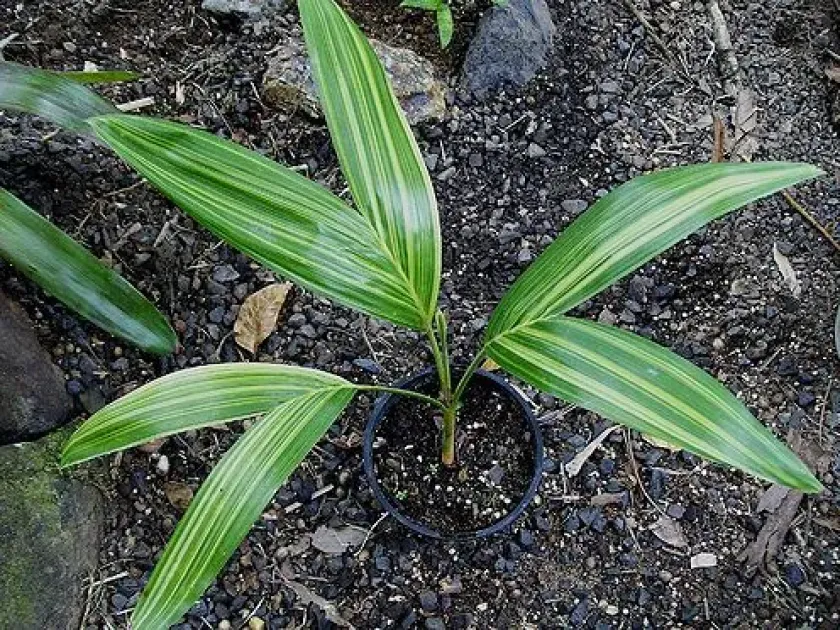
Description
Growing requirements
Dypsis hybrids belong to the Arecaceae family and represent a diverse group of ornamental palms. These hybrids are highly valued in interior design and landscaping for their lush, feathery fronds and architectural appeal, derived from various Madagascar-native parent species.
The cultivation of these plants requires a tropical or sub-tropical climate. They thrive in temperatures ranging from 20°C to 28°C and are highly susceptible to cold stress, meaning they must be kept away from freezing temperatures or freezing drafts.
Soil requirements involve a well-draining, slightly acidic medium. A mix of peat moss, perlite, and pine bark is typically used to ensure that the root system receives adequate oxygen while retaining just enough moisture for healthy metabolic processes.
Light intensity is a critical agronomic factor. While Dypsis hybrids need bright, indirect sunlight to maintain their vibrant green color, direct exposure to intense afternoon sun can scorch the leaves and permanently damage the plant's cuticle.
Watering management is essential for avoiding long-term stress. The substrate should be kept consistently moist but never waterlogged. Overwatering is the most common mistake, leading to rapid root decay and loss of vigor in the hybrid specimens.
Main diseases and pests
Pest management is a routine aspect of maintaining Dypsis hybrids. Their dense foliage structure often provides hidden habitats for various sucking insects that can significantly reduce the ornamental value of the plants.
Spider mites are perhaps the most persistent threat, especially in low-humidity environments. They cause stippling on the leaves and form fine webbing, requiring consistent monitoring and the application of specialized miticides to keep populations under control.
Mealybugs can be identified by the presence of white, cotton-like masses on the undersides of leaves and leaf axils. Physical removal using alcohol-dipped swabs combined with systematic insecticide treatments is usually required for eradication.
Scale insects present themselves as small, stationary brown bumps on the stems. If left untreated, they can weaken the plant by extracting sap, eventually leading to stunted growth or death of the affected fronds.
Fungal leaf spots are common when ventilation is insufficient. Providing good air circulation around the canopy is vital to prevent moisture from settling on the foliage, which is the primary catalyst for pathogen development and leaf blight.