
Duvaliandra dioscoridis
Duvaliandra dioscoridis
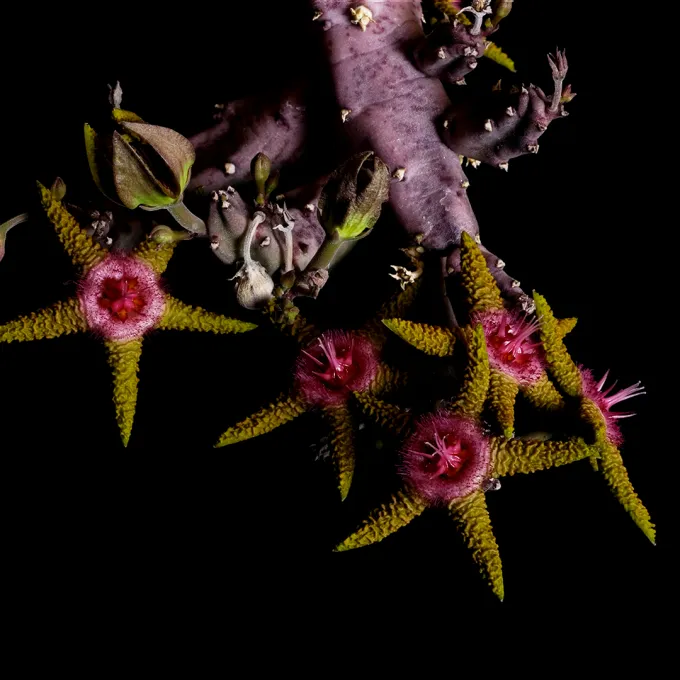
Description
Growing requirements
Duvaliandra dioscoridis is a rare succulent belonging to the Apocynaceae family, native to the arid landscapes of Yemen. This plant is highly specialized for survival in extreme desert environments with very low rainfall.
The primary requirement for this culture is intense but indirect light. Direct exposure to the harsh midday sun should be avoided to prevent epidermal damage, while insufficient light leads to weak, spindly stems.
A well-draining substrate is critical for the survival of this species. Standard cactus mixes should be further amended with perlite, pumice, or sharp gravel to ensure that water never stagnates around the root zone.
Temperature management is crucial throughout the year. The plant thrives during the growing season in warm conditions but requires a distinct cooling period during winter to initiate proper developmental phases and dormancy.
Watering must be approached with extreme caution. As a succulent, it stores water in its fleshy stems and only requires moisture when the soil has completely dried out, especially during its active growing cycle.
Main diseases and pests
Mealybugs are the most persistent pests for Duvaliandra dioscoridis, often settling in the crevices between stems. Regular monitoring is essential to catch early infestations before they spread significantly.
Root rot is the most common pathological threat, usually resulting from overwatering or poorly aerated soil. Once rot reaches the main stem, the entire plant is often at risk of total collapse.
Fungal pathogens can colonize the plant if humidity levels remain high for extended periods without adequate air circulation. Keeping the environment dry and well-ventilated is the best preventive measure.
Spider mites can occur if the ambient air becomes too dry for long periods. While less common than mealybugs, they can cause visible scarring on the stem surface, affecting both health and aesthetics.
Mechanical damage during maintenance can also serve as an entry point for various bacterial infections. Tools should be sanitized, and any wounds on the stem should be allowed to callus properly before watering.