
Wallich's wood fern
Dryopteris wallichiana (Spreng.) Hyl.
Description
Growing requirements
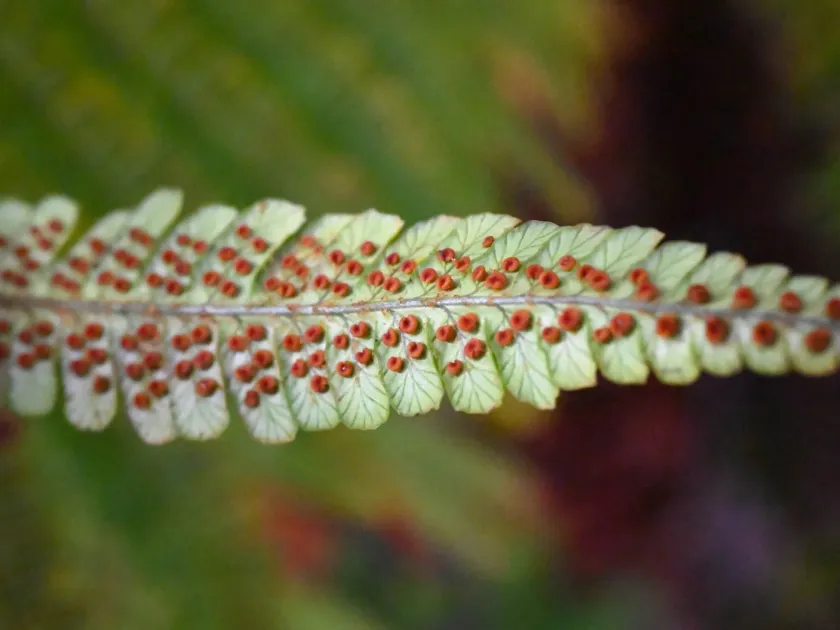
Wallich's wood fern (Dryopteris wallichiana) is a prominent species within the Dryopteridaceae family, distinguished by its stiff, upright fronds and striking dark, almost black scales covering the stipes.
Native to the high-altitude forests of the Himalayas and parts of the Americas, this species thrives in environments where high humidity and cool temperatures are constant throughout the growing season.
Gardeners should aim to plant this fern in a sheltered, partially shaded area, as excessive exposure to direct sunlight will cause the foliage to scorch and lose its deep, characteristic green color.
The ideal substrate for this fern is humus-rich, loose, and slightly acidic soil that maintains moisture levels but allows for excellent drainage to keep the rhizomes healthy.
Although it displays significant hardiness, in colder climates, it is essential to provide winter protection by applying organic mulch around the crown to safeguard against extreme frost cycles.
Main diseases and pests
The primary pathological threats to Wallich's wood fern include various root rot diseases, which typically emerge if the soil remains waterlogged or lacks proper oxygen exchange.
When humidity levels are not managed correctly, or when planted too densely, the plants are susceptible to fungal leaf spots, which can diminish the overall aesthetic value of the foliage.
Pests such as scale insects and spider mites are frequent invaders, particularly in greenhouse conditions or during hot, dry summer periods when the plant's resistance is lowered.
Slugs and snails are major antagonists during the spring, feeding on the tender emerging croziers; manual removal or organic repellents are often necessary to prevent significant damage.
A consistent maintenance schedule, including cleaning debris from the base of the plant and observing leaf undersides, is the best strategy for managing and preventing pest outbreaks.