
Doyerea
Doyerea emetocathartica
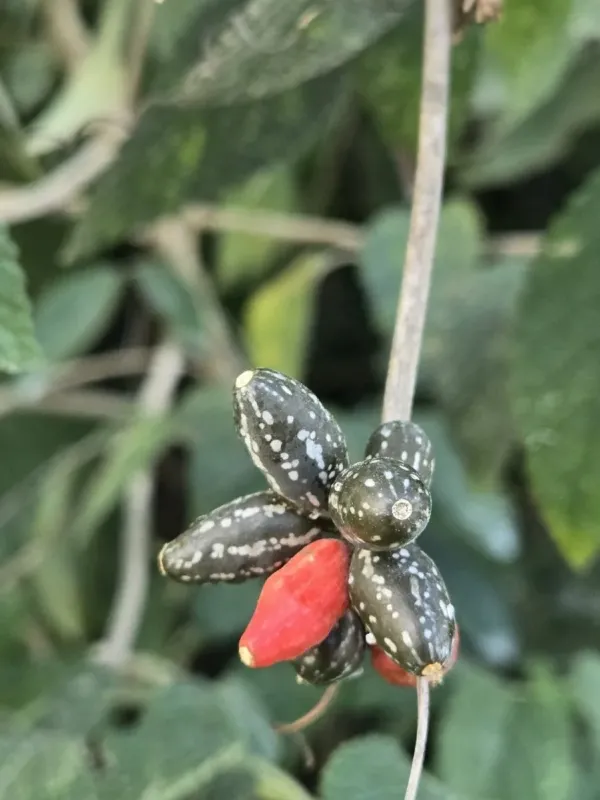
Description
Growing requirements
Doyerea emetocathartica is a distinctive herbaceous vine that belongs to the Cucurbitaceae family. As a climbing plant, it utilizes specialized structures to thrive in its native ecosystems, where it competes for light by ascending towards the canopy level.
The species originates from the tropical regions of the Americas. Its natural habitat includes dense, humid forests where the plant has evolved to tolerate the specific microclimatic conditions provided by forest gaps and edges, requiring ample humidity throughout the year.
Regarding soil requirements, this culture performs best in well-drained, nutrient-rich soils that possess high organic content. It is essential to avoid soil compaction, as the root system necessitates high levels of oxygenation to support the plant's rapid vegetative growth.
Agricultural management for this species involves providing adequate vertical support systems to mimic its natural climbing habit. Consistent moisture management is critical; while the plant thrives in humid environments, waterlogging must be strictly prevented to ensure root health.
The economic utility of the plant is primarily found in medicinal applications due to the presence of secondary metabolites within its tissues. While not a commercial staple crop, it remains a subject of botanical interest for its pharmacological potential and ecological role in tropical forest systems.