
Dorotheanthus bellidiformis
Dorotheanthus bellidiformis (Burm. f.) N. E. Br.
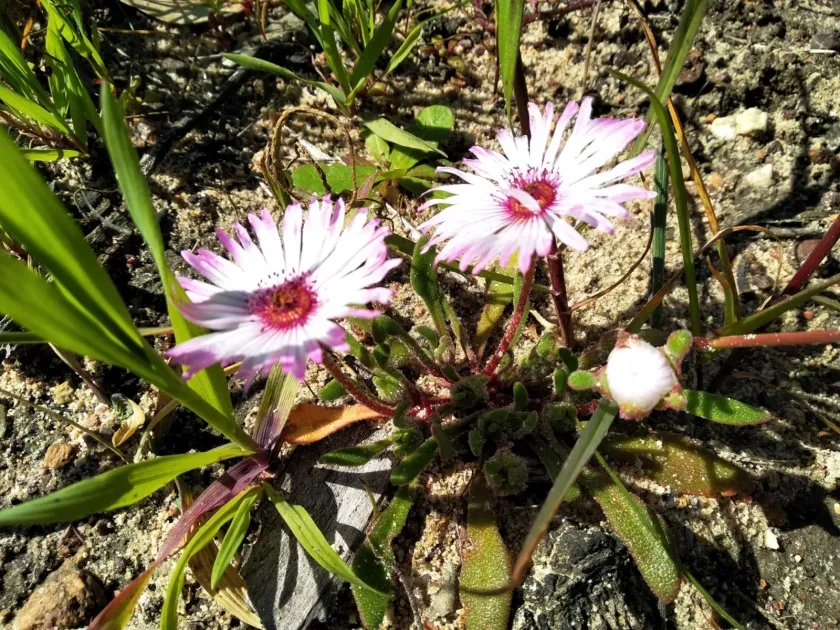
Description
Sowing dates
Livingstone daisy is typically started from seeds indoors in late winter or early spring. The seeds are very fine and should be surface-sown on a well-draining, sandy compost mix.
Moisten the soil carefully using a spray bottle to avoid washing the seeds away. Keep the tray in a warm, sunny position, as light is crucial for the germination process of this species.
Once the seedlings are large enough to handle, prick them out into individual pots. It is essential to keep them in a bright location to prevent legginess, which occurs easily in low-light environments.
Hardening off the plants is a necessary step before moving them to the garden. Gradually acclimatize the seedlings to outdoor conditions over a week to ensure they establish well in the landscape.
Transplanting into the garden should only happen once all risk of frost has passed. Space the plants about 6 to 8 inches apart to allow them to form a dense, colorful carpet across the soil.
Growing requirements
As a member of the Aizoaceae family, this plant is a true sun-worshipper. It requires a position in full sun to open its brilliant, daisy-like flowers; in shaded areas, the blooms will remain closed.
The soil must be extremely well-draining. Sandy, gritty, or rocky soils are ideal, as the plant naturally originates from arid regions in South Africa where water retention is low.
Watering should be sparse. Dorotheanthus bellidiformis is drought-tolerant and stores moisture in its fleshy leaves. Overwatering is the most common cause of failure in its cultivation.
The plant thrives in warm, dry climates and performs exceptionally well in rock gardens or as a ground cover. It is not suitable for damp, humid areas where the roots are prone to rotting.
Minimal fertilization is required. A light application of a low-nitrogen fertilizer during the active growing period is sufficient to promote continuous flowering throughout the summer season.
Main diseases and pests
The primary threat to this crop is fungal rot caused by excessively damp soil. High humidity levels combined with poor drainage can quickly cause the stems to collapse and turn mushy.
Snails and slugs are common pests that find the succulent leaves very attractive. Barriers or organic molluscicides are often necessary to protect young plantings during wet spring weather.
Aphids may occasionally appear on the growing tips. If infestations occur, treat with a mild insecticidal soap, but ensure that the application is done during the cooler parts of the day.
Preventative measures are the most effective way to manage health issues. Ensure that the planting site has excellent airflow, and avoid overhead watering that keeps the foliage wet for too long.
To keep the garden looking clean and healthy, remove debris from around the plants. Decaying plant matter can harbor spores that lead to fungal outbreaks during periods of unexpected rain.