
Doronicum plantagineum
Doronicum plantagineum
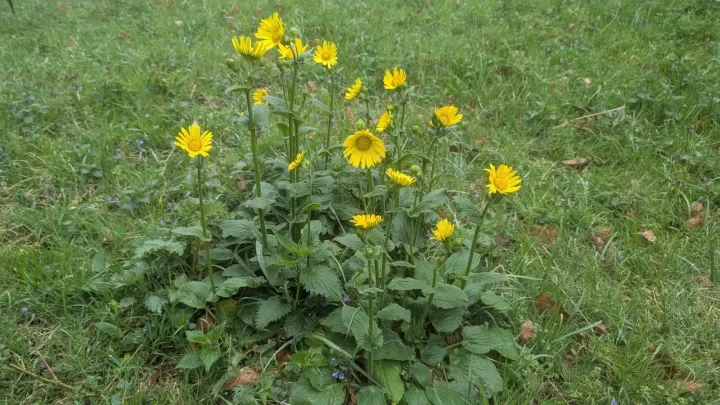
Description
Sowing dates
Sowing seeds of Doronicum plantagineum in open ground is typically done in late April or May, after the danger of frost has passed. For earlier blooming, seeds should be started indoors in March using a light, nutrient-rich substrate in seed trays.
The seeds possess a high germination rate when proper temperature control is maintained. Sowing depth should be shallow, about 0.5 to 1 cm, as the tiny seeds require adequate light to initiate the germination process effectively.
During indoor propagation, maintain a temperature of approximately 18–20 degrees Celsius. Pricking out seedlings is recommended once two true leaves have developed, transplanting them into individual pots to encourage robust root system growth.
Hardened-off seedlings are transplanted to their permanent location in the second half of May. Plants should be spaced 30–40 centimeters apart to allow for proper airflow and to prevent competition for essential soil nutrients.
Vegetative propagation via root division is also a highly reliable method, usually performed in spring or autumn. This technique ensures the preservation of specific cultivar traits and leads to faster establishment of healthy flowering plants.
Growing requirements
Doronicum plantagineum, a member of the Asteraceae family, thrives in moderately lit areas. It exhibits excellent tolerance to partial shade, making it a perfect choice for planting under tree canopies or on the north side of garden structures.
The crop requires fertile, loamy, and sufficiently moist yet well-drained soil with a neutral to slightly acidic pH. Insufficient nutrients can result in stunted growth and a significant reduction in the quality and quantity of flower blooms.
Proper water management is a critical aspect of its agrotechnology. The plant is sensitive to drought, which often leads to wilting leaves and a shortened flowering season, significantly detracting from its overall aesthetic value in the garden.
The plant benefits greatly from organic fertilizer applications, such as humus or compost, incorporated into the soil during preparation. Supplementary mineral fertilizers are recommended during the active blooming phase to support continued bud production.
While the species is generally hardy, mulching the root zone with peat or dry foliage is advisable during harsh, snowless winters. This practice protects the rhizomes from freezing damage and extreme temperature fluctuations.
Main diseases and pests
Slugs and snails are the most prominent pests for Doronicum plantagineum, often causing severe damage to leaves and young shoots. High humidity levels significantly exacerbate the infestation, requiring proactive management strategies.
Powdery mildew is a common fungal infection, identified by a white, flour-like coating on the foliage. Poor air circulation caused by overly dense planting contributes to the spread of this pathogen throughout the entire flower bed.
Root rot, often triggered by waterlogging or poor drainage, poses a serious risk to the health of the plant's base. Regular monitoring and adjusting irrigation practices are essential steps to mitigate these fungal risks effectively.
Aphids can occasionally colonize flower stalks, depleting sap and weakening the plant. Systematic application of appropriate insecticides is often necessary to control pest outbreaks before they lead to long-term developmental issues.
Preventive measures include maintaining clean garden beds, removing plant debris, and ensuring optimal spacing between specimens. Good hygiene and cultural practices are fundamental to reducing the risk of pests and diseases for this species.