
Lead-mining ditrichum
Ditrichum plumbicola
Description
Growing requirements
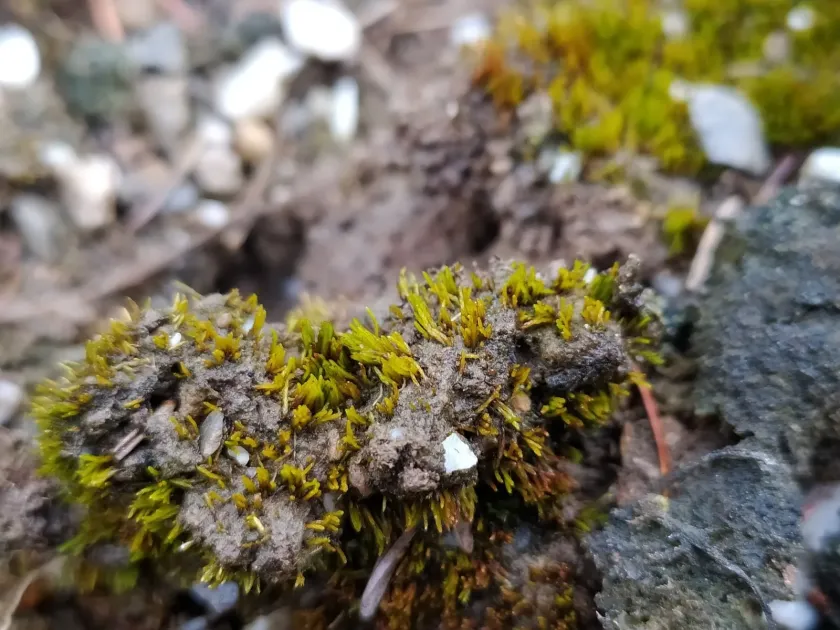
The lead-mining ditrichum (Ditrichum plumbicola) is a unique species of moss belonging to the family Ditrichaceae. This plant is a specialized metallophyte, meaning its biology is fundamentally adapted to thrive in extreme environmental conditions.
Unlike conventional agricultural crops, this species is not cultivated for production. It is found primarily in anthropogenically disturbed habitats where soil conditions are characterized by high concentrations of heavy metals such as lead, zinc, and cadmium.
The distribution of this species is largely associated with areas of historical mining activity. It often colonizes mine tailings, spoil heaps, and abandoned industrial sites where toxicity levels prevent the growth of most other plant species.
Botanically, the species is characterized by its small stature and its ability to form dense cushions. These mats play a crucial role in retaining moisture and stabilizing eroded substrates, serving as a pioneer species in post-industrial ecological succession.
The most significant trait of this moss is its extreme physiological resistance to heavy metal accumulation within its tissues. This characteristic makes it an important bioindicator for environmental monitoring and ecological recovery efforts in mining regions.