
Dissochaeta celebica
Dissochaeta celebica
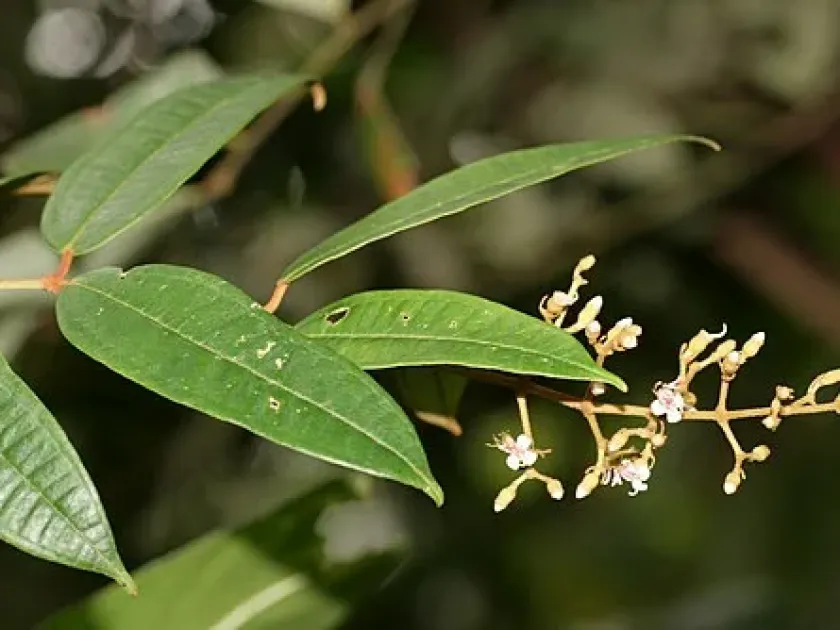
Description
Sowing dates
Propagation of Dissochaeta celebica is primarily achieved through seeds or stem cuttings within controlled greenhouse environments. Seeds require a well-draining, peat-based substrate and should be sown on the surface to ensure proper light exposure for germination.
Maintaining high humidity is crucial during the germination phase. Covering the containers with clear film or glass helps create the necessary moisture-rich microclimate that these tropical seeds prefer for success.
Stem cuttings should be taken from healthy, semi-hardwood stems to ensure the best results. Treating the base of the cuttings with rooting hormones significantly increases the chances of successful establishment in the growing medium.
The rooting process requires patience, usually taking several weeks to complete. During this period, the cuttings must be shielded from direct sunlight to prevent dehydration and stress to the young, developing root tissues.
Once the root system has sufficiently developed, the young plants can be transplanted into larger pots. Gradual acclimatization to lower humidity levels is essential before moving them to their permanent location.
Growing requirements
Dissochaeta celebica thrives in tropical climates characterized by warm temperatures and consistent moisture levels. Ideally, the ambient temperature should remain between 20 and 28 degrees Celsius for vigorous growth.
The soil should be fertile and light, providing excellent drainage to prevent root saturation. A mixture consisting of compost, peat, and perlite typically creates the ideal structure for healthy development.
Light requirements are moderate, with a preference for bright, dappled light. Intense direct sunlight can lead to scorching of the foliage, so adequate shading is necessary during the brightest parts of the day.
Watering frequency should be adjusted based on the growth stage and environmental conditions. The soil surface should be kept slightly moist, but standing water must be strictly avoided to ensure the plant's health.
Nutrient management involves regular application of liquid fertilizers during the active growing season. Balanced formulations help support both lush leaf production and the potential development of inflorescences.
Main diseases and pests
Spider mites are common pests that tend to infest this plant when humidity levels drop too low. Regular misting of the foliage acts as an effective deterrent against these persistent garden invaders.
Root rot remains the most significant threat caused by overwatering or poor soil structure. If symptoms of wilting appear despite moist soil, it is essential to check the roots and trim away any decaying parts.
Mealybugs can also pose a risk, clustering in the leaf axils and stems. Physical removal combined with the use of horticultural soaps or systemic insecticides is usually sufficient to manage these populations.
Poor ventilation can lead to the growth of fungal pathogens on the leaves. Ensuring sufficient airflow between plants is a vital cultural practice to keep the foliage clean and free from disease symptoms.
Early diagnosis is the key to maintaining a healthy specimen. Frequent monitoring and immediate action upon finding any signs of pest activity or disease will preserve the longevity and vigor of the plant.