
Discopodium penninervium
Discopodium penninervium
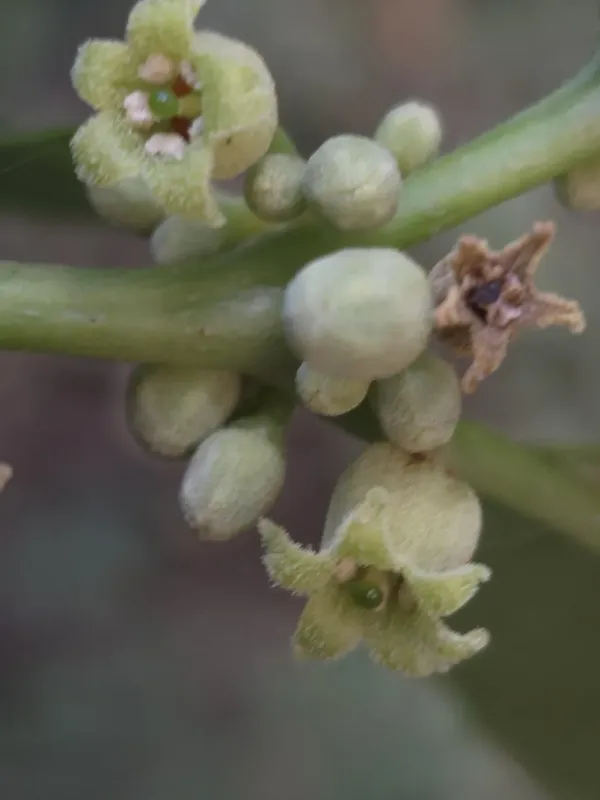
Description
Growing requirements
Discopodium penninervium is a perennial shrub belonging to the Solanaceae family, native to the high-altitude regions of East and Central Africa. It typically thrives in moist forests and clearings at elevations ranging from 1,500 to 3,000 meters above sea level.
The plant requires deep, fertile, and well-drained soils rich in organic matter to perform optimally. It is well-adapted to cool mountain climates, preferring stable humidity levels and avoiding high-temperature fluctuations.
Environmental requirements include a semi-shaded environment, as intense direct sunlight can scorch the foliage. In cultivation, it performs best when protected from extreme wind and heavy frost, which are detrimental to its succulent leaves.
Regarding soil management, regular applications of organic compost are highly recommended to ensure continuous nutrient availability. Maintaining adequate soil moisture without waterlogging is key to preventing root-related pathogens.
Propagation is generally achieved through seeds or stem cuttings, which should be planted in nursery beds under high-humidity conditions before transplanting to the main field to ensure a high survival rate.
Yield
The primary economic value of Discopodium penninervium lies in its utilization as a leafy vegetable. The young shoots and tender leaves are harvested and consumed in various local culinary traditions, providing essential micronutrients.
The crop offers a consistent yield if maintained through periodic pruning, which encourages lateral growth and the emergence of new, harvestable shoots. This pruning management strategy is vital for maintaining the plant's health.
Beyond its food value, the plant is historically significant in indigenous medicine, where various extracts are utilized for their potential anti-inflammatory and antiseptic properties, often supporting local primary healthcare needs.
Harvesting is typically performed manually throughout the growing season, focusing on the youngest apical parts of the shrub to ensure the highest quality of the harvested product and rapid regrowth.
Due to the perishable nature of the leaves, post-harvest handling requires immediate cooling or short-term storage to maintain the nutritional integrity and freshness required for market distribution.