
Dipterocarpus crinitus
Dipterocarpus crinitus
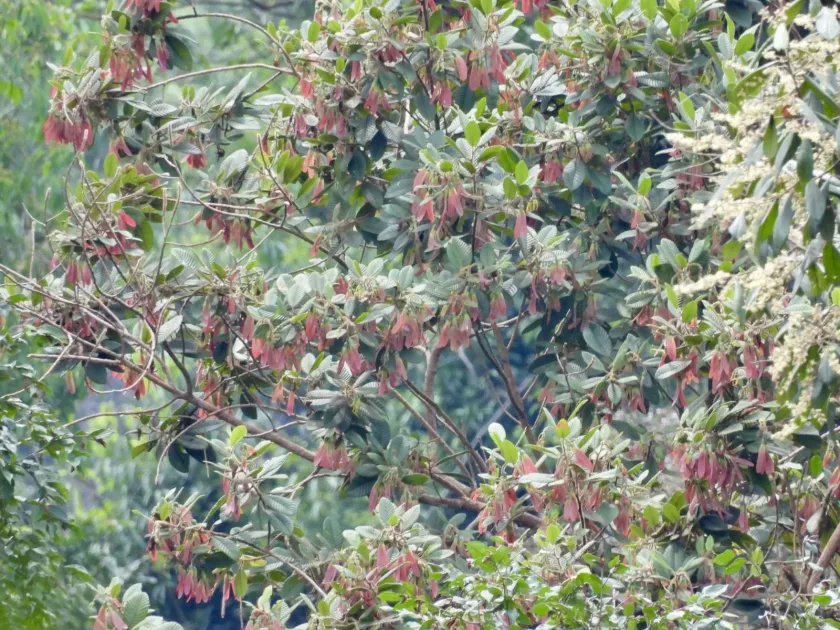
Description
Growing requirements
Dipterocarpus crinitus is a majestic tropical tree belonging to the Dipterocarpaceae family. Native to the tropical rainforests of Southeast Asia, including Peninsular Malaysia, Sumatra, and Borneo, it is a significant forest-forming species.
The tree thrives in lowland tropical environments characterized by high annual rainfall and consistent, warm temperatures. It prefers deep, well-drained loamy soils and is commonly found in primary forests where it competes for canopy space.
Botanically, the species is distinguished by its dense, hairy indumentum on leaves and twigs, which provides protection against certain insects. The tree can reach heights of over 40 meters, contributing significantly to the forest biomass.
From an agricultural and forestry perspective, it is a primary source of keruing timber. This timber is highly valued in the global market for its strength, durability, and resistance to structural wear in heavy-duty applications.
Sustainable management of Dipterocarpus crinitus requires strict adherence to silvicultural practices. Given the slow growth rate of mature trees, plantation forestry efforts must be carefully planned to ensure ecological balance.
Main diseases and pests
Root pathogens, particularly soil-borne fungi, pose a significant threat to seedlings, especially in areas with stagnant water. These infections can rapidly degrade the root system, causing early plant mortality.
Seed predators are a major limiting factor for natural regeneration. Various insects, particularly seed-boring weevils, can destroy a high percentage of the fruit crop before it reaches the soil, hindering natural propagation.
Land-use change, primarily the conversion of native forests into palm oil plantations, remains the most severe threat to the species. This habitat loss results in fragmented populations that are increasingly vulnerable to extinction.
Fire sensitivity is a critical issue for Dipterocarpus crinitus. The tree is not adapted to withstand high-intensity fires, which are becoming more frequent due to human activity and land clearing techniques.
Climate-induced variations in flowering cycles have recently been documented. Anomalies in precipitation and temperature patterns disrupt the synchronization between trees and their pollinators, significantly reducing fruit yields.