
Dipteris conjugata
Dipteris conjugata
Description
Growing requirements
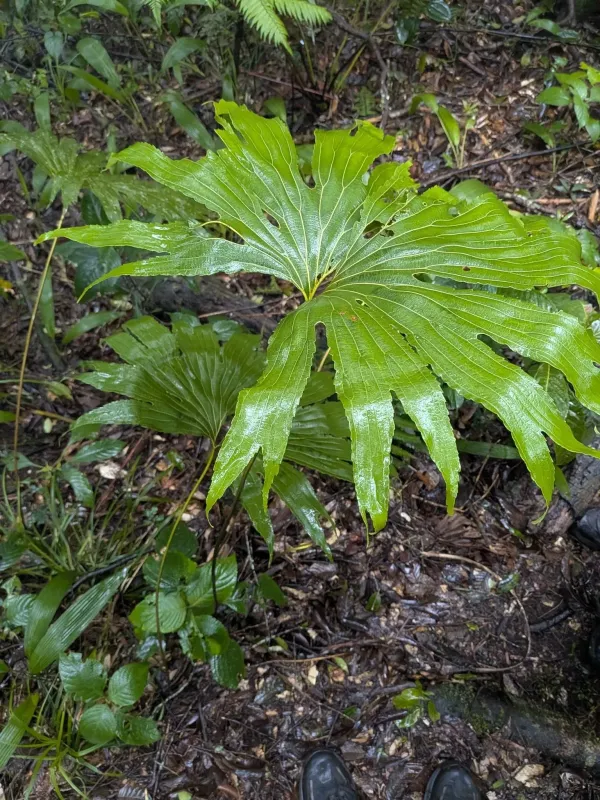
Dipteris conjugata is a distinctive species of fern belonging to the Dipteridaceae family. It is recognized by its unique fronds, which are often divided into two primary segments, and it thrives in moist, tropical environments across Southeast Asia and the Pacific Islands.
In its native habitat, this fern is typically found in humid forests, on rocky slopes, and in clearings with high rainfall. It prefers semi-shaded areas where the canopy provides protection from the harsh, direct sun, which can dehydrate its fronds.
Successful cultivation requires a stable, warm temperature and a consistently high humidity level. Growers should aim for a humid climate and avoid placing the plant in drafty areas or near heating vents, as the fern is highly susceptible to foliage drying and crisping.
The planting medium must be well-draining, airy, and rich in organic matter. A mixture of peat moss, pine bark, and perlite is often recommended to simulate the natural forest floor and ensure the roots receive adequate oxygen while remaining moist.
While not a traditional agricultural crop, Dipteris conjugata is an important ornamental species in tropical horticulture. It is frequently displayed in conservatories and botanical gardens for its unique morphological structure and aesthetic appeal.
Main diseases and pests
The primary threats to the health of Dipteris conjugata include fungal infections, particularly root rot, caused by overwatering or poorly drained substrates. If the soil remains waterlogged for extended periods, the rhizomes are prone to decay.
Pests such as scale insects and mealybugs can occasionally infest the underside of the fronds. These pests feed on plant juices and can weaken the fern if left untreated; manual removal or insecticidal soap applications are often effective control methods.
Poor air circulation can lead to the development of powdery mildew or other leaf spots, especially in greenhouse settings. Ensuring good ventilation is crucial for maintaining a healthy leaf surface and preventing the spread of pathogens.
Environmental stress, such as sudden temperature drops or significant fluctuations in humidity, can severely weaken the plant. This makes it more susceptible to secondary infections and reduces its overall vigor and growth rate.
Regular monitoring of the soil moisture and visual inspection of the leaves are essential practices for early detection of issues. By maintaining an environment that mimics its native tropical setting, gardeners can minimize the risk of most common threats.