
Dimerocostus strobilaceus
Dimerocostus strobilaceus
Description
Growing requirements
Dimerocostus strobilaceus is a perennial herbaceous plant belonging to the Costaceae family. It originates from the tropical regions of Central and South America, where it typically inhabits forest edges and riverbanks.
The plant thrives in warm and humid tropical environments. It requires bright but filtered light, as direct tropical sunlight can scorch its large, spirally arranged leaves throughout the growing season.
Proper soil management is essential for this species. It demands a nutrient-rich, well-draining substrate that retains moisture without becoming waterlogged. Regular organic fertilization promotes vigorous vertical growth.
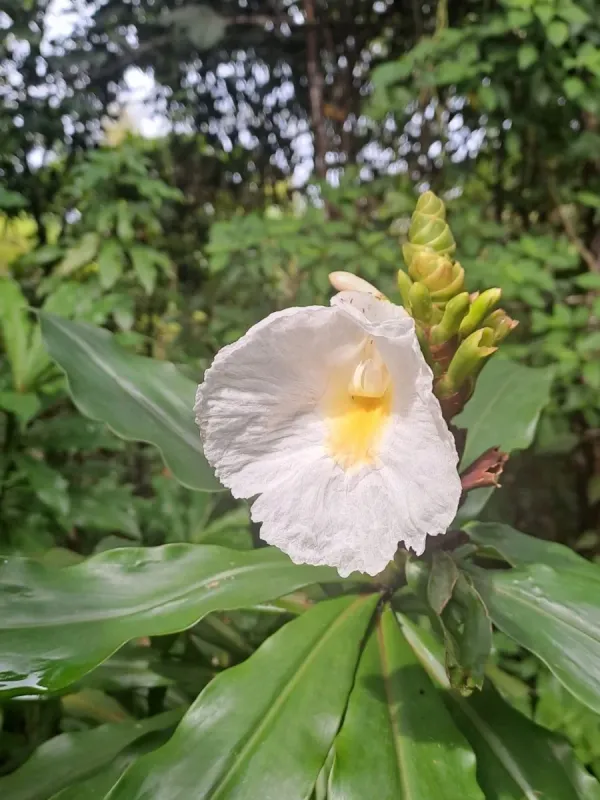
Botanically, this species is known for its tall, cane-like stems and distinctive cone-shaped inflorescences. The flowers are relatively short-lived but appear in succession, providing a unique visual interest in tropical landscaping.
Its primary agricultural and horticultural value lies in its ornamental use. It is widely planted in botanical collections and residential gardens in suitable hardiness zones due to its exotic appearance and architectural structure.
Main diseases and pests
The most significant threats to Dimerocostus strobilaceus include fungal pathogens like root rot, which typically occur in poorly drained substrates or during excessive rainy seasons.
Pest pressure often comes from spider mites and scale insects, especially when grown in indoor or greenhouse settings where the air becomes too dry or stagnant. These pests can rapidly affect the leaf quality.
Effective management requires a combination of cultural practices, such as optimizing spacing to improve airflow, and the application of appropriate biological or chemical control agents when infestations occur.
Environmental stress, particularly sudden temperature drops, can weaken the plant and make it susceptible to opportunistic infections. Monitoring the root zone is crucial for long-term health.
Integrated Pest Management (IPM) strategies are recommended to maintain plant vitality. This includes keeping the foliage clean and removing any dead or decaying plant tissue from the immediate growing area.