
Dillenia celebica
Dillenia celebica
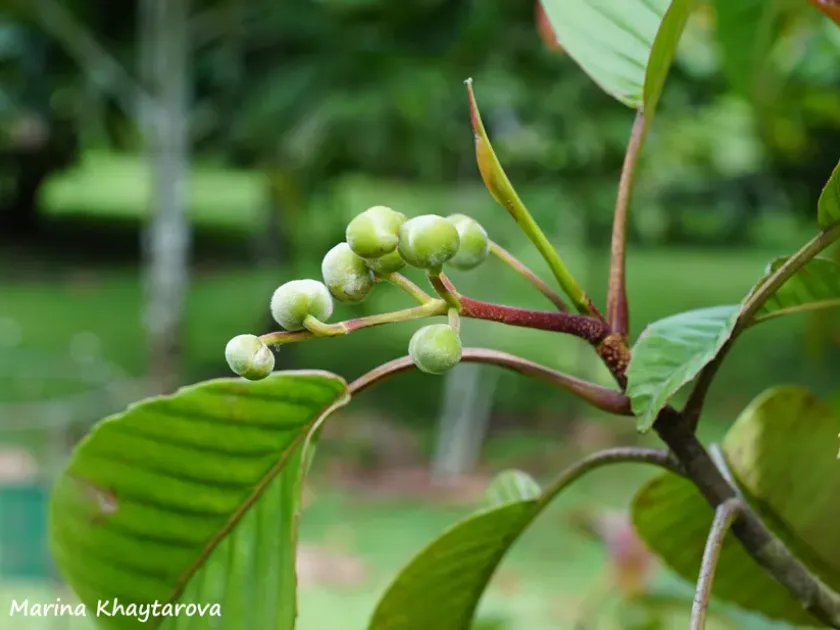
Description
Growing requirements
Dillenia celebica belongs to the Dilleniaceae family, a group of woody plants primarily found in tropical climates. This species is native to the rainforest regions of Southeast Asia, specifically endemic to parts of Sulawesi.
The plant thrives in a tropical climate characterized by consistently high temperatures and significant annual rainfall. It is intolerant to cold stress, making it unsuitable for cultivation in temperate or subtropical zones without climate control.
Cultivation requires well-draining, nutrient-rich soil with a high organic matter content. Ensuring adequate drainage is crucial, as the root system is highly susceptible to hypoxia if waterlogging occurs in the rhizosphere.
Lighting requirements are high, with the tree performing best in full sun or light dappled shade during its juvenile stages. Proper spacing is necessary to ensure adequate airflow and sunlight penetration for optimal growth.
Morphologically, Dillenia celebica is characterized by large, simple, and coriaceous leaves arranged spirally. Its flowers are showy, typically featuring multiple stamens and carpels, which are distinct botanical markers of the family.
Harvesting
The fruits of Dillenia celebica serve as a niche food source. They are primarily utilized in local culinary traditions for making jellies, preserves, and acidic beverages due to their characteristic flavor profile.
Economic utility extends beyond food production; the wood of the tree is recognized for its relative density and is sometimes utilized in local construction or the production of durable small timber goods.
Harvesting strategies are typically manual, focusing on picking fruits at the onset of physiological maturity to ensure the best texture and flavor for culinary use. Care must be taken to avoid bruising during post-harvest handling.
The plant has gained interest in agroforestry systems as a structural element that provides shade and habitat for diverse fauna, contributing to the overall ecological stability of the agricultural site.
In ornamental horticulture, the tree is highly valued for its aesthetic appeal, particularly during the flowering season, making it a preferred choice for large-scale landscaping in equatorial regions.