
Didymochlaena truncatula
Didymochlaena truncatula
Description
Growing requirements
Didymochlaena truncatula is a unique botanical species belonging to the Dryopteridaceae family. It is native to the tropical forests of Africa, Asia, and the Americas, thriving in high humidity environments and protected, shaded areas of the forest floor.
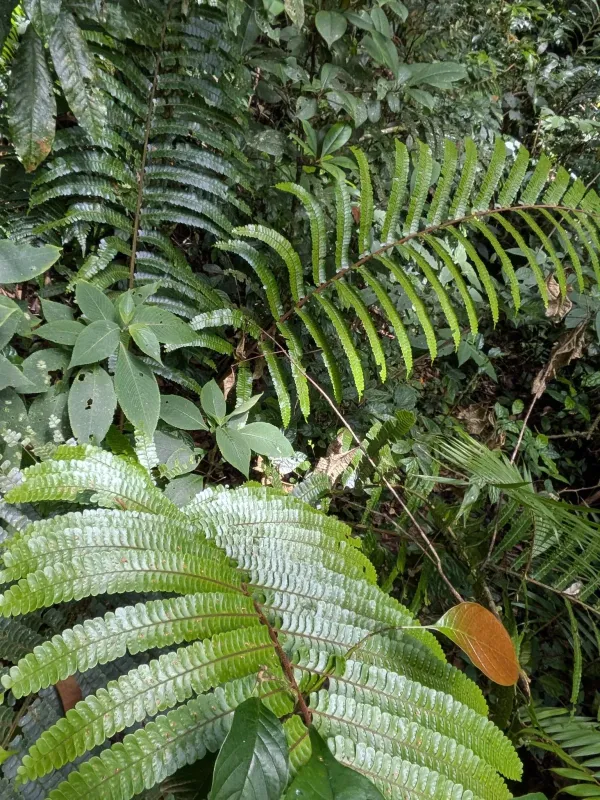
The plant is prized for its large, bipinnate or tripinnate fronds. A signature feature of this fern is the striking bronze-brown color of young growth, which transitions into a lush, vibrant green as the foliage matures, providing an elegant aesthetic to indoor environments.
Optimal growth requires a stable ambient temperature, ideally between 18 and 24 degrees Celsius. The fern is particularly sensitive to cold drafts and rapid temperature fluctuations, making it essential to place it in a sheltered area away from air conditioning vents.
The potting medium must be porous, humus-rich, and slightly acidic. A blend containing peat moss, bark, and perlite is recommended to ensure both moisture retention and adequate aeration, which prevents the roots from suffocating in heavy, compacted soil.
Consistent moisture is vital for the health of this species. The soil should be kept uniformly moist at all times, but never waterlogged. Regular misting or the use of a humidifier is necessary to maintain the high atmospheric humidity that these plants require.
Main diseases and pests
The most significant threat to Didymochlaena truncatula is low humidity, which causes the delicate frond tips to brown and wither rapidly. Maintaining a consistent environment is the primary challenge for indoor cultivation.
Spider mites and scale insects are the most common pests, often invading when the air becomes too dry. Regular inspection and wiping of the fronds with a damp cloth can help keep these populations under control and monitor plant health.
Root rot is a common ailment caused by overwatering or poor drainage. If the soil remains saturated for too long, the root system will decay, leading to yellowing of the foliage and eventual collapse of the entire plant structure.
Fungal leaf spot diseases may appear if there is poor air circulation and excessive moisture sitting on the leaves. Providing gentle airflow around the plant helps prevent the spread of spores and keeps the foliage dry and disease-free.
In terms of usage, this fern is predominantly grown as an ornamental plant in greenhouses, interior landscaping, and shaded garden areas. Its lush, unique appearance makes it a popular choice for collectors of rare and exotic tropical vegetation.