
Blue lace flower
Didiscus coeruleus
Description
Sowing dates
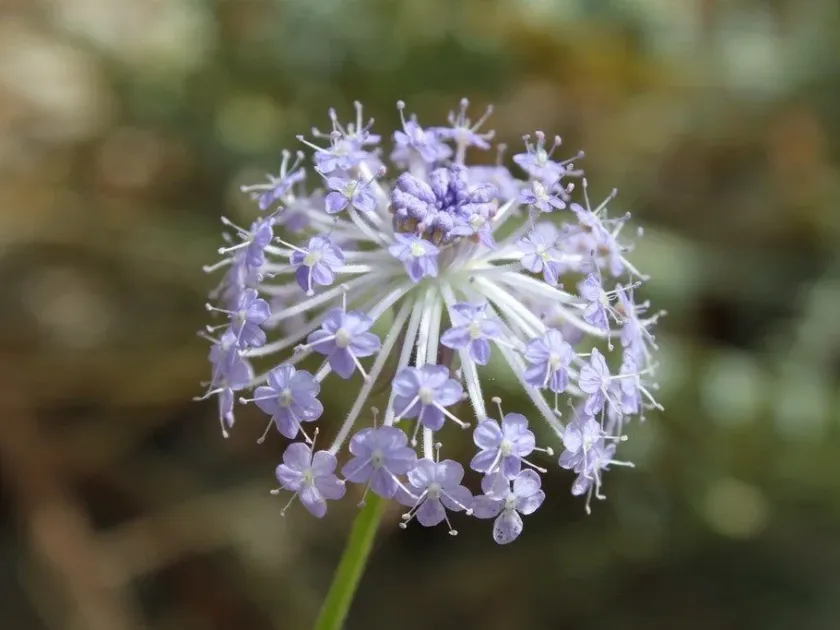
The Blue lace flower, botanically known as Trachymene coerulea, is an elegant annual plant belonging to the Araliaceae family. Native to Australia, it is highly valued by gardeners and florists for its unique, dome-shaped blue flower heads.
Propagation is typically achieved through seeds sown indoors in late winter or early spring. The seeds require warmth and specific conditions to germinate, making a greenhouse or a sunny windowsill with a heat mat ideal for starting the trays.
The seeds should be sown on the surface of a light, well-draining potting mix and barely covered with soil, as they need light to initiate germination. Keeping the humidity high during the initial stage is crucial for successful seedling emergence.
Once the seedlings develop their first true leaves, they should be pricked out into individual pots. Great care must be taken to minimize root disturbance, as this species is notoriously sensitive to transplanting and can suffer significant growth setbacks.
Hardening off the plants is a necessary step before moving them to the open ground. This process should take at least a week to acclimate the young plants to outdoor wind, sun, and temperature fluctuations.
Growing requirements
Blue lace flower thrives in full sun, which is essential for developing strong stems and vibrant flower colors. It requires a site protected from strong winds, as the tall, slender stems can easily lodge or break.
The soil must be well-drained and fertile, preferably with a neutral to slightly acidic pH. Avoid heavy, waterlogged soils, as this plant is highly susceptible to root rot if its feet remain constantly wet.
Consistent but moderate watering is recommended. It is better to let the soil surface dry slightly between waterings than to keep it saturated. Overwatering is the most common cause of failure in cultivating this species.
Fertilization should be handled with care. A balanced, low-nitrogen liquid feed applied once or twice during the vegetative growth phase is sufficient to encourage health without causing overly lush, weak foliage.
In hot climates, the plants benefit from a layer of mulch around the base to keep the root system cool and to prevent excessive moisture evaporation during peak summer heat.
Main diseases and pests
Root rot, often caused by Pythium or Phytophthora species, is the most serious threat to Blue lace flower. It is primarily triggered by poor soil drainage and excessive moisture, leading to rapid wilting and plant death.
Powdery mildew can become an issue in environments with poor air circulation or high humidity. Regular thinning of the plants and ensuring good spacing between them can significantly reduce the risk of fungal infections.
Aphids are common pests that colonize the growing tips and developing buds, leading to stunted growth and flower deformation. Early detection and the use of insecticidal soap can effectively manage small infestations.
Thrips can also damage the delicate flowers, leaving unsightly brown streaks or necrotic spots on the petals. Monitoring the crop and using sticky traps can help in assessing the pest pressure.
Implementing a strict hygiene routine, including the removal of infected debris and preventing weed growth around the flower beds, is essential to maintain a healthy crop throughout the season.
Harvesting
In commercial flower farming, the Blue lace flower is harvested for its high-quality, long-lasting cut flowers. Timing is crucial for ensuring the longevity of the stems in a floral arrangement.
The best time to harvest is during the cool hours of the early morning. Using a clean, sharp knife or shears, the stems should be cut to the desired length while the plant is well-hydrated.
The ideal stage of harvest is when about half of the individual tiny florets within the main umbel are open. Harvesting too early may result in the flowers failing to open, while cutting too late significantly shortens the vase life.
After cutting, the stems should be placed immediately into clean water mixed with a high-quality flower food. This helps to hydrate the stems and inhibits bacterial growth, which is vital for the health of the bouquet.
Post-harvest cooling at temperatures between 5 and 8 degrees Celsius will further extend the shelf life of the flowers, allowing for easier transport and storage before they reach the consumer.