
Didiplis diandra
Didiplis diandra
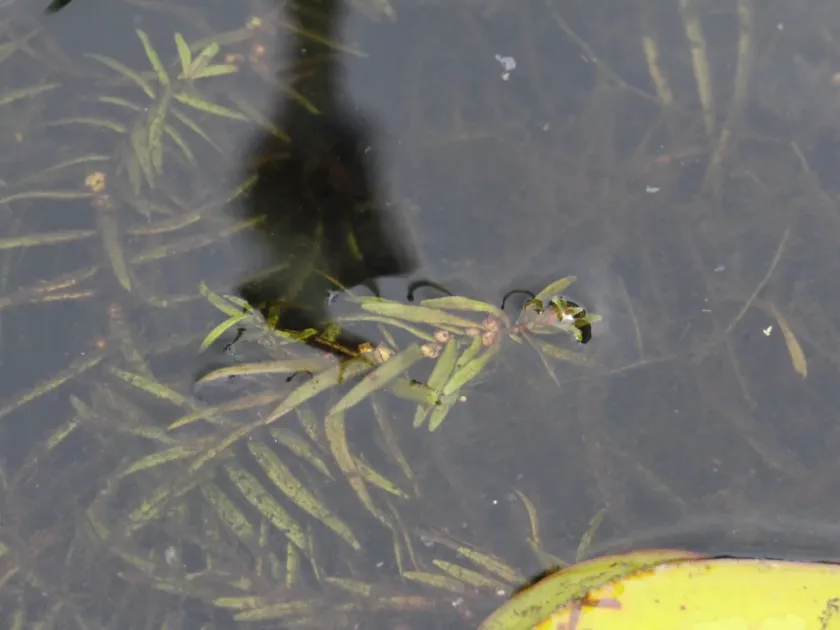
Description
Growing requirements
Didiplis diandra, commonly known as the water hedge, is a delicate and highly sought-after aquatic plant belonging to the Lythraceae family. It originates from the marshy regions of North America, where it typically grows submerged or emergent along the edges of soft-water ponds.
To cultivate this species successfully, high-intensity lighting is non-negotiable. Without sufficient photons reaching the lower leaves, the plant tends to lose its lower foliage and will not develop the iconic reddish-orange hues that make it an attractive aquascaping choice.
Carbon dioxide supplementation (CO2 injection) is mandatory for achieving optimal growth rates and vibrancy. In low-CO2 environments, Didiplis diandra will struggle to thrive, often becoming stagnant and susceptible to invasive algae.
The water parameters should ideally be soft to moderately hard, with a pH range between 6.0 and 7.0. The plant is sensitive to significant fluctuations in water chemistry, which can cause the stems to melt or undergo rapid chlorosis.
A nutrient-rich substrate is essential for supporting the root system. Since the plant absorbs nutrients both through its roots and leaves, regular dosing of liquid fertilizers, specifically iron and trace elements, is highly recommended for vigorous growth.
Main diseases and pests
Algae infestation is the primary threat to Didiplis diandra. Because it is a slow-to-moderate grower, hair algae and filamentous algae can easily smother the fine-leaved stems, effectively blocking light and photosynthesis.
Iron deficiency is a common issue that manifests as yellowing leaves (chlorosis). If the iron concentration in the water column is insufficient, the plant will stop growing and the upper tips will lose their characteristic red pigmentation.
Overcrowding leads to poor water circulation around the stems, which can cause the lower portions of the plant to rot. Regular trimming and thinning are necessary to ensure fresh water flows through the base of the plant clusters.
Fluctuating water temperatures are detrimental to the health of this species. Maintaining a stable temperature between 22°C and 26°C prevents shock, which can result in the loss of the plant's delicate apical meristems.
Physical damage during routine maintenance can introduce pathogens into the stem tissues. Once the plant's integrity is compromised by cuts or breakage, secondary fungal or bacterial infections often occur, leading to the rapid decay of the individual stems.