
Sickle bush
Dichrostachys cinerea
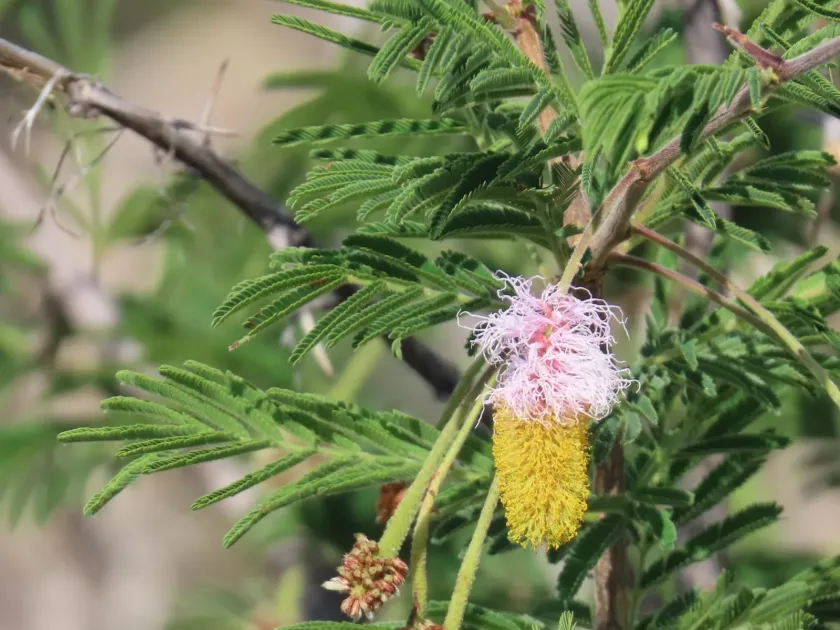
Description
Sowing dates
Sickle bush propagates primarily through seeds, which require mechanical scarification due to their hard, impermeable coat. Sowing is best performed at the onset of the rainy season when soil moisture levels are sufficient to trigger germination.
In natural ecosystems, seed dispersal is facilitated by the digestive tracts of wild animals, a natural process that helps overcome seed dormancy. For artificial cultivation, seeds should be sown in well-drained soil with full sun exposure.
Seeds are typically planted at a depth of 1 to 2 centimeters to ensure adequate contact with moist soil layers. In commercial plantations, spacing of 2-3 meters between rows is recommended to accommodate the plant's spreading growth habit.
The optimal temperature range for germination is between 25 and 30 degrees Celsius. Adhering to these thermal requirements ensures high germination rates within a period of two to four weeks post-sowing.
Early maintenance is critical as seedlings are highly sensitive to competition from invasive weeds. Regular weeding during the first six months is essential to allow for the development of a robust root system.
Growing requirements
Belonging to the Fabaceae family, Sickle bush is recognized for its exceptional drought tolerance, making it suitable for semi-arid environments. The plant thrives in nutrient-poor soils, including sandy or rocky textures where other crops struggle.
The ideal soil pH ranges from 5.5 to 7.5. Sickle bush requires maximum sunlight for optimal physiological development; shading from larger canopy trees can significantly inhibit its growth rate and biomass production.
While the plant has moderate water requirements due to its deep taproot, young seedlings may need supplemental irrigation during prolonged dry spells to establish successfully. Mature plants can endure severe drought conditions without significant loss of vitality.
Sickle bush is well-adapted to the high temperatures characteristic of tropical and subtropical regions. However, it is highly susceptible to frost, which can cause severe damage or complete death of the aerial parts of the shrub.
Agronomic management is minimal, as the plant establishes a symbiotic relationship with nitrogen-fixing bacteria. Strategic application of phosphorus-based fertilizers during the initial establishment phase is generally sufficient to support growth.
Yield
The primary agricultural use of Sickle bush is as a high-protein fodder source for small ruminants and livestock. Its leaves and tender shoots serve as a vital supplement during the dry season when conventional forage is scarce.
The timber of this plant is exceptionally dense and durable, making it highly prized for the production of high-quality charcoal with low ash content. This represents a significant economic driver in regions where the plant is prevalent.
Yield of green biomass depends on planting density and the frequency of harvesting cycles. Proper management of these stands ensures long-term productivity without depleting the soil’s natural nutrient reserves.
When used as living fences or windbreaks, Sickle bush serves as an effective barrier against soil erosion. This structural use contributes to better land management and the preservation of topsoil in agricultural areas.
Seed production typically begins in the second or third year. A consistent harvest of seeds allows for the natural expansion of the plantation and provides surplus material for reforestation or land improvement projects.
Main diseases and pests
Insect pests, particularly weevils, pose a primary threat to the crop as they infest the pods and damage the seeds. This impact can significantly reduce the viability of seed stocks collected for future planting.
Fungal infections of the root system can occur if the soil is poorly drained or chronically waterlogged. Similarly, leaf spot diseases may develop in conditions of high humidity and poor air circulation within the plantation.
Due to its potential to become invasive, regular monitoring is necessary to prevent the shrub from colonizing active pastures. Mechanical removal is the most effective management strategy for controlling unwanted spreading.
Aphids and other sap-sucking insects may damage young shoots, potentially stunting the growth of new seedlings. In instances of heavy infestation, the application of environmentally safe contact insecticides may be required.
Small mammals and rodents may chew the bark of young plants, creating wounds that leave the shrub vulnerable to secondary infections or desiccation. Protective physical barriers are highly recommended in the first years of growth.
Harvesting
Fodder harvesting is conducted through selective pruning of branches, which encourages new growth and maintains the vitality of the shrub. This approach promotes sustained yields over many years of utilization.
Wood harvesting for charcoal production is ideally carried out once the plants reach five years of age. Mature wood exhibits the necessary physical characteristics for high-heat, high-efficiency charcoal production.
Seeds are harvested once the pods have turned deep brown and begun to dry. Manual collection ensures that only the healthiest pods are selected, preserving the genetic potential for subsequent planting.
Post-harvest, seeds must be dried in a shaded, well-ventilated area to prevent mold growth and maintain the longevity of the seed embryo. Proper storage is crucial for maintaining high germination rates over time.
All pruning and harvesting activities should be performed during the cooler hours of the morning or evening. This minimizes heat stress on the plant and promotes rapid healing of the cut surfaces.