
White-top sedge
Dichromena colorata
Description
Sowing dates
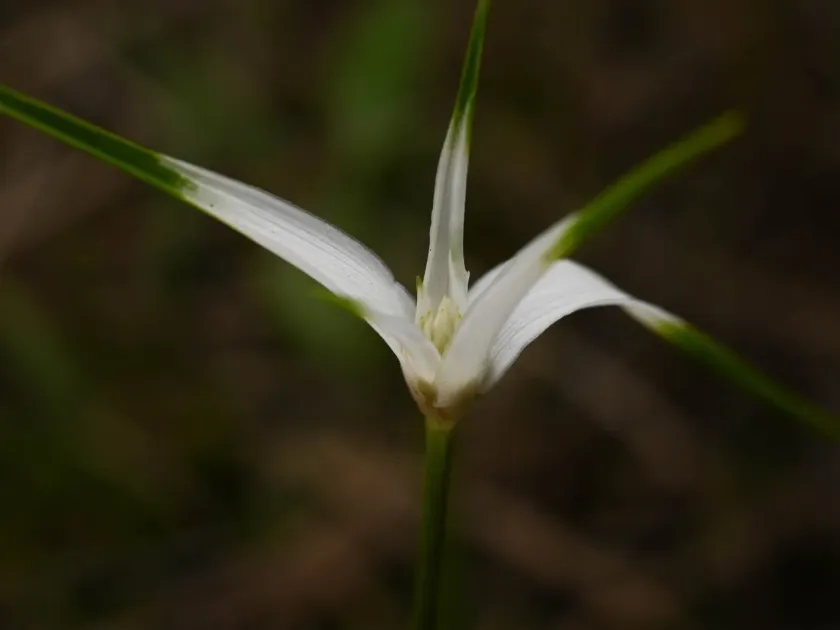
White-top sedge (Dichromena colorata), a member of the Cyperaceae family, is a captivating perennial grass known for its striking star-shaped white bracts. It is native to the coastal regions of the southeastern United States.
Propagation is typically achieved through seeds or division of rhizomes. Seeds should be sown in a moist, peat-based starting mix during late winter, ensuring the containers are kept in a warm environment.
Consistent moisture is the most critical factor during the germination phase. Seeds generally require temperatures between 20 and 25 degrees Celsius to sprout successfully within a few weeks.
Once the seedlings develop several true leaves, they should be hardened off and transplanted into their permanent location. This is best done in late spring when all danger of frost has passed.
When using the division method, carefully lift the established clumps and separate the rhizomes, ensuring each new section has healthy roots and foliage. This should be performed during the spring growth flush.
Growing requirements
The primary requirement for successful growth is constant moisture. This plant is a true hygrophyte, thriving in saturated soils, mudflats, and shallow water margins up to 15 centimeters deep.
Optimal light exposure is full sun to partial shade. While it can tolerate shade, the characteristic white bracts are most vivid and numerous when the plant is grown in bright, direct sunlight.
Soil quality should be rich in organic matter, such as compost or peat. A slightly acidic to neutral soil pH is ideal for promoting healthy development and nutrient uptake in this species.
Climate needs are consistent with a warm-temperate to subtropical environment. The plant is not frost-tolerant and should be brought indoors or heavily mulched in areas where temperatures drop below freezing.
Maintenance involves ensuring the plant never dries out. In container cultivation, it is recommended to keep pots partially submerged in water trays to mimic the natural wetland habitat of the species.
Main diseases and pests
White-top sedge is generally robust but can suffer from issues related to poor air circulation and water quality if maintained in confined or stagnant aquatic systems.
Fungal pathogens, particularly those causing root and crown rot, can appear if the plant is subjected to water that has become anaerobic or polluted with debris.
Pests like aphids and spider mites may target the foliage, particularly if the plant is grown indoors during winter where the air is dry and lacks the natural humidity it requires.
Prevention relies heavily on hygiene. Removing yellowing or decaying leaves immediately prevents the buildup of organic waste that invites pests and diseases to the crown.
Strategic thinning of overgrown clumps every few years helps maintain proper airflow and reduces the risk of leaf spot diseases, ensuring the plant remains vigorous and aesthetically pleasing.