
Dichilanthe zeylanica
Dichilanthe zeylanica
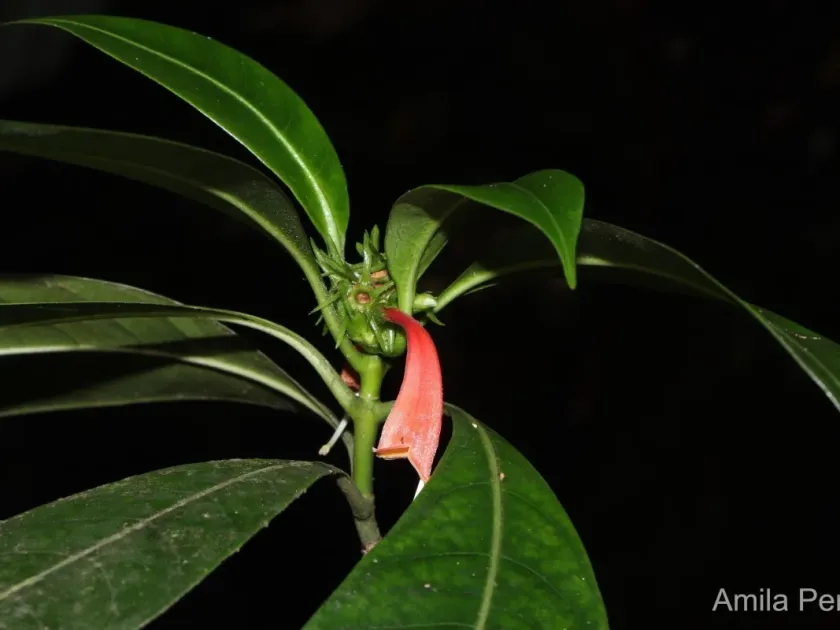
Description
Sowing dates
Dichilanthe zeylanica is a rare plant species belonging to the Rubiaceae family. In its natural habitat, the plant propagates primarily through seeds, with the germination cycle triggered by the onset of the monsoon rains.
In a controlled nursery environment, sowing is performed using fresh seeds planted in a porous, organic-rich substrate. The optimal temperature for successful germination ranges between 25 and 28 degrees Celsius, provided that humidity remains consistently high.
Containers must feature excellent drainage properties, as the root system of this species is highly susceptible to rot caused by stagnant water. A mix of peat and perlite is recommended to ensure proper aeration and root health during the initial growth phase.
No special stratification is required for these seeds, but environmental stability is paramount. The germination process can be irregular, requiring close observation and technical support for the first four to six weeks post-sowing.
Once the seedlings have developed two sets of true leaves, they should be carefully pricked out into individual pots. This practice provides the necessary space for the development of a robust root system, characteristic of tropical forest understory plants.
Growing requirements
As a plant native to the tropical forests of Sri Lanka, Dichilanthe zeylanica requires specific environmental conditions. It thrives best in shaded or semi-shaded areas, mimicking the natural light filtering of a forest canopy.
The soil requirements involve high humus content and a slightly acidic pH between 5.5 and 6.5. The growing medium must be well-draining yet retain enough moisture to support consistent growth without causing waterlogging.
Temperature management is critical, as this species prefers a stable environment between 22 and 30 degrees Celsius. Exposure to temperatures below 15 degrees Celsius can cause significant physiological stress and growth arrest.
Maintaining a relative air humidity of 70–80% is essential for proper transpiration and overall plant health. In environments outside its native range, the use of humidifiers or regular misting is necessary to sustain the plant.
Routine agronomic care includes balanced fertilization with low-chloride formulas to avoid salt stress. Furthermore, light structural pruning is advised to maintain the plant's shape and promote healthy lateral growth.
Main diseases and pests
The primary threats to Dichilanthe zeylanica include fungal pathogens from the Phytophthora genus, which flourish in overly wet conditions. These pathogens can rapidly cause root and collar rot, leading to plant death.
Pests such as spider mites and scale insects represent the most significant threat, particularly in conditions where air humidity is not sufficiently maintained. Early detection is vital for effective management.
Biological control methods, including the release of beneficial predatory mites, are highly recommended. Chemical pesticides should be used with extreme caution due to the species' potential sensitivity to synthetic compounds.
Sunburn is a significant danger if the plant is moved from deep shade to direct sunlight too abruptly. Providing filtered or indirect light is a key preventative measure against abiotic damage.
Implementing a strict quarantine protocol for new plants is an essential practice to prevent the introduction of common horticultural pests into the existing collection.