
Dicella nucifera
Dicella nucifera
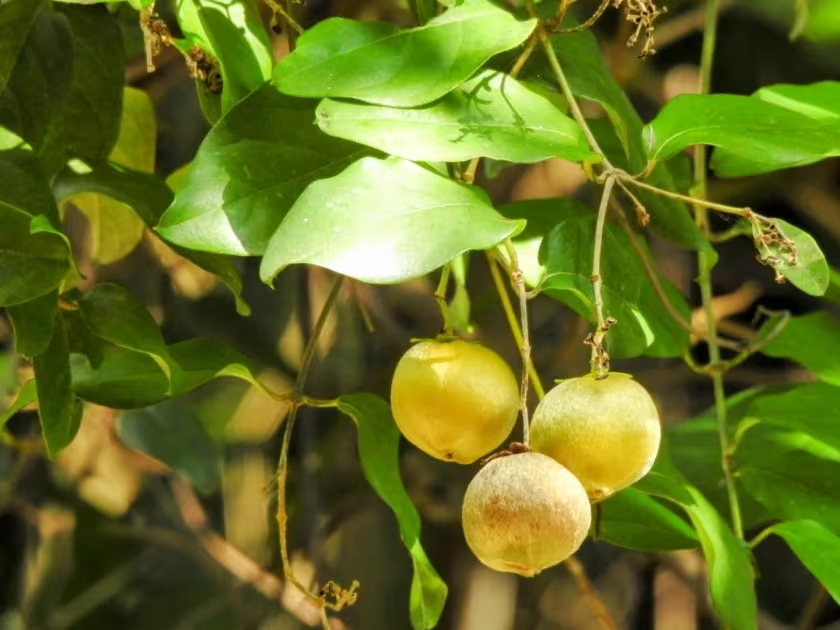
Description
Sowing dates
Dicella nucifera is a notable woody vine belonging to the Malpighiaceae family. In its native habitat, reproduction is primarily achieved through seeds which drop to the forest floor during the rainy season.
When cultivating this species, seeds must be planted immediately after extraction from the fruit, as their viability decreases rapidly if they dry out. Freshness is the most critical factor for successful germination.
The sowing medium should consist of a light, well-draining organic mix that retains moderate moisture without becoming waterlogged. Ideal germination temperatures range between 25 and 28 degrees Celsius.
Using shallow trays with high humidity covers can assist in maintaining the environment necessary for the seeds. Consistent moisture levels in the substrate must be monitored daily to prevent seedling failure.
Once seedlings develop their first set of true leaves, they should be transplanted to individual pots. Care must be taken not to disturb the fragile root system to ensure continued development.
Growing requirements
As a tropical plant, Dicella nucifera requires consistently warm temperatures and high relative humidity. It thrives in environments where seasonal temperature fluctuations are minimal.
Light requirements are significant for this species. While it can tolerate filtered light, it needs several hours of bright, indirect sunlight to maintain its vigor and healthy leaf color.
The soil pH should ideally be slightly acidic to neutral. Proper drainage is essential to prevent the accumulation of moisture, which can lead to rapid deterioration of the plant's root system.
Regular watering is necessary, though the medium should be allowed to dry slightly between sessions. Overwatering is the most common mistake made by inexperienced growers of tropical vines.
Structural support is mandatory for this climber. Using sturdy trellises or vertical garden systems allows the vine to reach its potential growth height and ensures better air circulation.
Yield
While primarily valued for its botanical uniqueness, the fruit-bearing potential of Dicella nucifera is specific to its native ecosystem. Commercial production data is currently limited due to its niche status.
In mature plants, the yield is largely dependent on the pollination rate in the local area. Given that these vines are often found in high-canopy forests, natural pollinators play a significant role.
Providing adequate potassium-based fertilization during the flowering stage can enhance fruit set. It is recommended to monitor the health of the vine closely during the peak growing season.
Harvesting usually happens once the fruits reach maturity, marked by a change in color and texture. Manual harvesting is the standard practice due to the climbing nature of the plant.
Future studies are needed to determine the productivity of the species in intensive cultivation environments. At present, it remains a plant of interest for botanical gardens and specialized collections.
Main diseases and pests
Common pests for this species include spider mites and scale insects, which often proliferate in environments with low humidity. These pests can cause significant damage to foliage if left unchecked.
Root rot is a major threat caused by over-irrigation or soil that lacks proper porosity. Ensuring that the planting site has excellent drainage is the best defense against fungal pathogens.
Powdery mildew can affect the vine's leaves, especially in areas with poor ventilation and high humidity. Proper spacing between individual plants is necessary to promote healthy airflow.
Occasional infestations of leaf-eating insects should be managed using integrated pest management techniques. Early detection is essential to minimize the use of chemical pesticides.
The overall resilience of the plant is bolstered by balanced nutrition and a stable growing environment. Plants subjected to sudden cold stress or nutrient deficiencies become more prone to secondary infections.