
Diapensia lapponica
Diapensia lapponica
Description
Growing requirements
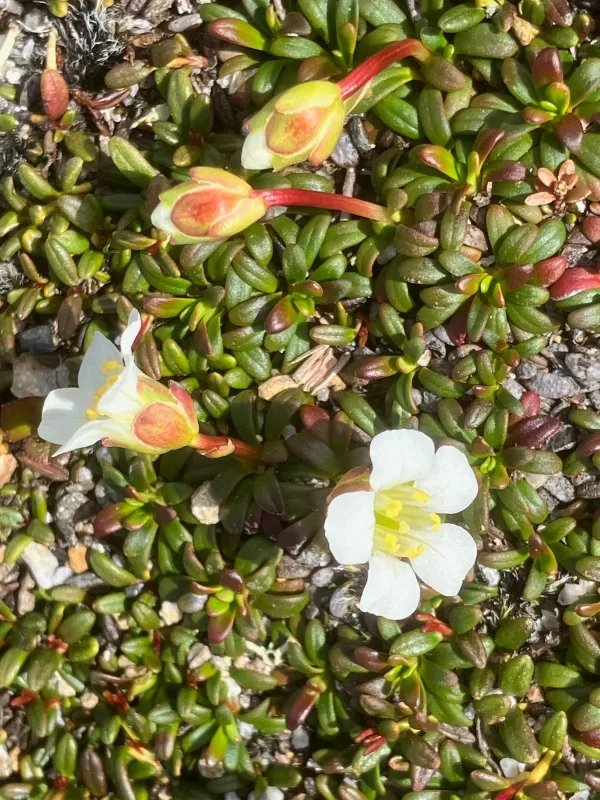
Diapensia lapponica is a unique perennial species belonging to the Diapensiaceae family. It is recognized for its distinctive growth form, creating compact, cushion-like mats that can withstand the harshest winds and freezing temperatures typical of the tundra and high-altitude habitats.
The plant originates from the circumpolar regions of the Northern Hemisphere, spanning across Northern Europe, Asia, and North America. It thrives in extreme environments, such as exposed rocky ridges, gravelly slopes, and mossy heaths where few other plants can establish a root system.
Regarding its cultivation requirements, it demands a very specific microclimate. This includes excellent drainage, high humidity, and relatively low temperatures throughout the growing season. The soil must be acidic, nutrient-poor, and mineral-based, mimicking the natural conditions of the arctic landscape.
Botanically, it features small, leathery, evergreen leaves and solitary, bell-shaped flowers that appear in early summer. Due to its slow metabolism, it is incredibly sensitive to changes in its environmental stability, making it a challenging plant to cultivate outside its native habitat.
In terms of хозяйственного использования (utility), this plant is primarily used in specialized botanical gardens and for scientific study of plant adaptation. It serves as an indicator species for monitoring the health of arctic ecosystems and is highly prized by alpine plant enthusiasts.
Main diseases and pests
The primary threats to this species include warming global temperatures and alteration of local soil water tables. In controlled settings, the most significant risk is root rot, which typically occurs if the drainage is insufficient or if the roots are exposed to stagnant water.
While pests are generally not a concern in the wild, indoor or greenhouse cultivation can invite spider mites. Maintaining constant air circulation and preventing soil saturation are essential strategies to mitigate disease pressure and ensure the long-term survival of the plant.