
Shinano pink
Dianthus shinanensis
Description
Sowing dates
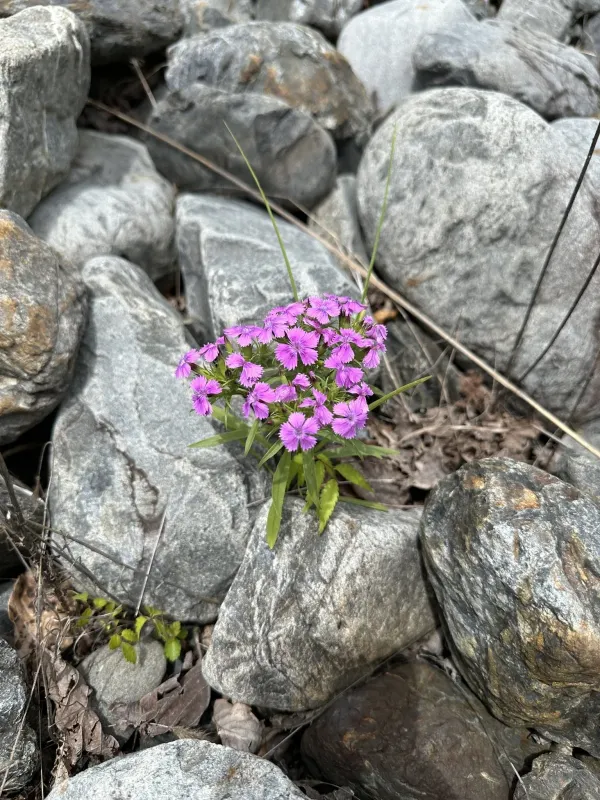
Shinano pink (Dianthus shinanensis) is a perennial herbaceous plant belonging to the Caryophyllaceae family. This species originates from the mountainous regions of Japan, where it thrives in rocky slopes and subalpine meadows.
Seeds are typically sown in early spring, during March or April, using a greenhouse or indoor setting for seedling production. The seeds are placed in a light, well-draining substrate and require light to germinate, so they should not be covered deeply.
Once the seedlings develop their first true leaves, they are pricked out into individual pots. After 6–8 weeks, the plants are hardened off gradually before being transplanted to the garden in late May.
Direct sowing in the open ground is also possible during mid-summer. This allows the plants to establish a robust root system before the onset of winter, ensuring flowering in the following season.
A location with full sun exposure is essential for this plant. In shaded conditions, the stems become leggy, and the quality and intensity of the bloom are significantly reduced.
Growing requirements
Successful cultivation of Shinano pink requires neutral to slightly alkaline, well-draining soil. The plant is highly sensitive to waterlogging, which can cause root rot and rapid decline in plant health.
It is recommended to amend the soil with plenty of sand or fine gravel to improve aeration. Heavy clay soils must be modified before planting to prevent moisture retention around the root zone.
This species is exceptionally cold-hardy, adapting well to the temperature fluctuations typical of its native alpine habitat. However, in snowless winters with extreme frosts, light protective coverage is beneficial.
Watering should be moderate and consistent throughout the growing season. In hot summer months, it is crucial to water the base of the plant directly to keep the foliage dry and prevent fungal infections.
Fertilization should be handled carefully using mineral complexes with low nitrogen levels. Excessive nitrogen stimulates vegetative growth at the expense of floral development and overall winter hardiness.
Main diseases and pests
Fungal diseases are the primary threats to Shinano pink, particularly in humid or waterlogged conditions. Root rot is the most common cause of mortality in newly established plantings.
Rust can also affect the foliage during periods of high humidity. Regular inspection and the application of fungicides, combined with ensuring good air circulation, are necessary for effective control.
Pests such as aphids and spider mites can attack the succulent stems and flower buds. Early detection is vital for controlling these infestations before they spread across the entire planting area.
Slugs can be a major nuisance, consuming delicate petals and tender new growth. Utilizing physical barriers around the rock garden or flower beds can effectively protect the plants during the peak activity season.
Disease prevention is centered on maintaining optimal soil moisture and avoiding overcrowding. Proper spacing between plants promotes airflow and significantly reduces the risk of pathogens spreading.