
Lusitanian pink
Dianthus lusitanus
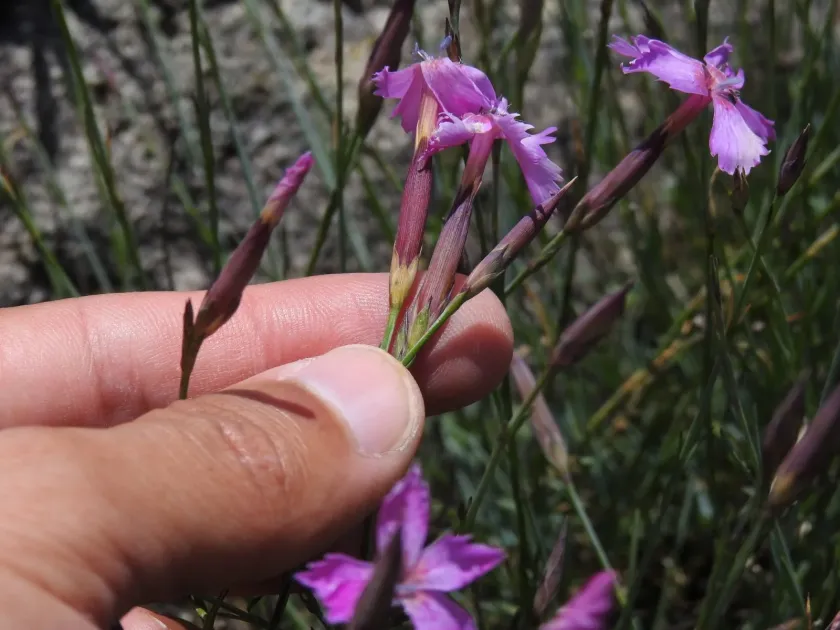
Description
Sowing dates
Sowing of Dianthus lusitanus is best performed in the spring when soil temperatures reach 15–18 degrees Celsius. For seedling production, seeds are sown in trays in March, requiring adequate light and moderate moisture levels to ensure uniform germination.
Direct sowing in the open field should be scheduled for late May, once the danger of late spring frosts has passed. The seeds should be covered only lightly with soil or sand, as they require some light for optimal germination conditions.
Maintaining proper spacing is crucial for plant health, with a recommended distance of 20–25 centimeters between individuals. This spacing promotes air circulation, which is essential for reducing the humidity around the foliage.
Seedlings typically emerge within 10–14 days. Once the first pair of true leaves develops, the plants can be pricked out or transplanted to their permanent location in the flower bed, ensuring the roots remain undisturbed.
As a perennial species, the primary focus during the first growing season is the development of a robust root system and a healthy basal rosette of leaves. Flowering generally occurs in the second year following initial sowing.
Growing requirements
Dianthus lusitanus, a member of the Caryophyllaceae family, is native to the Mediterranean region and prefers sunny locations. It requires full sun exposure to flourish and maintain its compact habit and vibrant flowering cycles.
Well-draining, loose soil with a neutral to slightly alkaline pH is essential for this species. Waterlogging is detrimental to its root health, making the incorporation of coarse sand or gravel into the planting site a standard requirement.
The plant exhibits high drought tolerance once established, making it suitable for rock gardens and xeriscaping. Irrigation should be managed sparingly, focusing on deep but infrequent watering during prolonged dry spells.
Moderate fertility is sufficient for this species, but a balanced liquid fertilizer applied at the onset of the budding stage can enhance flower production. Excess nitrogen should be avoided to prevent leggy growth and reduced flowering.
While adapted to temperate climates, the plant may require winter protection in colder regions to preserve the evergreen rosette. A light cover of straw or horticultural fleece is typically enough to prevent damage from frost cycles.
Main diseases and pests
Fungal pathogens such as Fusarium wilt and leaf spots pose the greatest risk to this plant, especially when air circulation is poor. Proper spacing and avoiding overhead irrigation are fundamental to reducing these risks.
Common pests like aphids and spider mites may target the plants during hot and dry summer months. Biological control methods or targeted insecticidal soaps are recommended to manage these infestations without harming beneficial insects.
Root rot is almost always associated with poor drainage or overwatering. If signs of rot appear, affected plants should be removed, and the surrounding soil should be checked for moisture content and drainage capacity.
Slugs and snails can cause mechanical damage to leaves during damp weather. Using grit or gravel as a mulch layer around the base of the plant acts as a deterrent for these mollusks while also keeping the crown dry.
Routine site maintenance, including the removal of weeds and dead foliage, is vital for long-term plant vigor. Good horticultural practices ensure the plants remain resilient against environmental stressors and potential pathogens.