
Dentella serpyllifolia
Dentella serpyllifolia
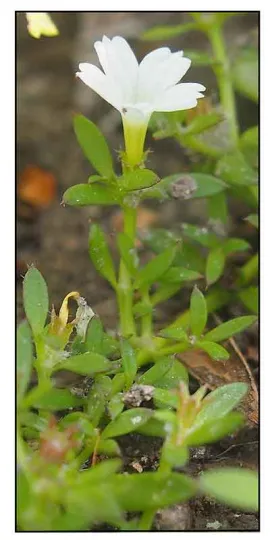
Description
Growing requirements
Dentella serpyllifolia is a member of the Rubiaceae family, known for its creeping habit and rapid vegetative growth. Originating from tropical regions, this perennial plant is widely valued as a ground cover due to its ability to form dense, lush carpets of foliage.
Botanically, the plant features small, opposite leaves and tiny white, tubular flowers. Its stems are prone to rooting at the nodes when in contact with moist soil, which allows the plant to spread effectively and cover significant areas within a short timeframe.
Regarding climatic needs, this species requires a humid environment to thrive. It is not cold-hardy and is best suited for zones where temperatures remain consistently warm throughout the growing season, preventing frost damage to its tender stems.
The soil requirements focus on moisture retention and nutritional content. A well-draining, loamy soil with a slightly acidic to neutral pH is ideal. If grown in containers, a high-quality peat-based mix ensures the necessary aeration and water-holding capacity.
Light levels should be managed carefully. While the plant can tolerate filtered sunlight, extreme exposure to direct midday sun can stress the foliage. Providing partial shade ensures the plant maintains its vibrant green color and overall vigor during the hottest periods of the year.
Main diseases and pests
The primary threats to this culture are fungal pathogens, specifically those causing root and stem rot. Excess moisture without adequate ventilation creates an environment conducive to the spread of these fungi, often resulting in significant plant loss.
Pests such as spider mites and aphids are known to target the succulent-like foliage of Dentella. These infestations are more frequent in dry, poorly ventilated conditions, which weaken the plant and facilitate rapid population growth of the insects.
To maintain a healthy crop, implementing a strict sanitation program is essential. This includes pruning overcrowded areas to improve airflow and immediately removing any plant matter that shows signs of decay to prevent further contamination.
Chemical control should be used judiciously. Fungicides and insecticides must be applied based on the specific pest or disease identified. It is highly recommended to prioritize biological controls and integrated pest management strategies wherever possible.
Prevention also involves monitoring soil moisture levels closely. Avoiding the use of overhead irrigation during humid weather can significantly reduce the incidence of foliar diseases, as it prevents prolonged moisture accumulation on the leaf surfaces.