
Tatsien delphinium
Delphinium tatsienense
Description
Sowing dates
Sowing seeds of the Tatsien delphinium is most effective during the autumn months for winter sowing or in early spring for indoor starting. Cold stratification for about 3–4 weeks significantly improves germination rates for this specific alpine species.
Use a light, well-draining peat-based mix for seed starting. Seeds should be sown on the surface and barely covered with fine soil, as they require light to stimulate the germination process properly.
Maintain a stable temperature between 15°C and 18°C during the germination period. Excess moisture should be avoided to prevent damping-off, a common fungal issue for delicate seedlings.
Transplanting seedlings into individual containers occurs after the development of two or three true leaves. Gradually acclimate young plants to outdoor conditions before transplanting them into the garden.
The optimal time for planting in permanent locations is late spring after all frost risks have passed. Space plants appropriately to allow for sufficient airflow as they mature.
Growing requirements
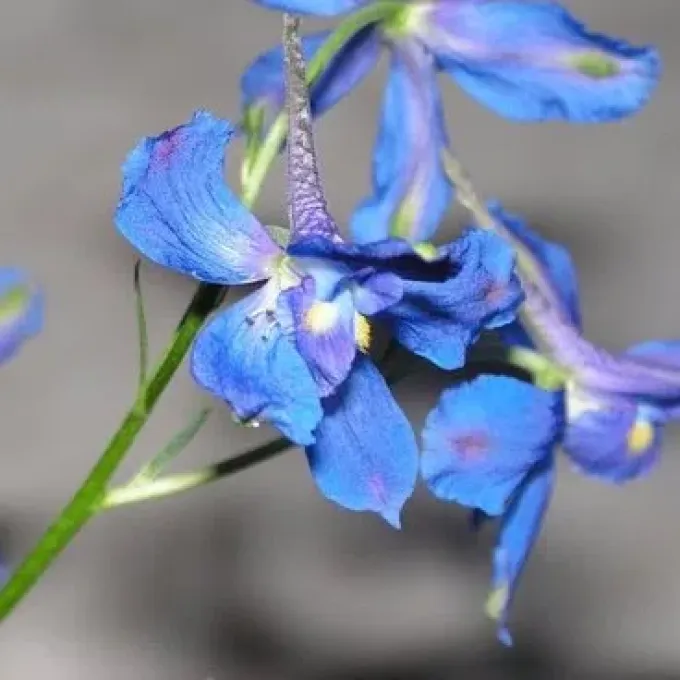
The Tatsien delphinium belongs to the Ranunculaceae family and is native to the high-altitude regions of China. It is highly valued for its intense blue or violet flowers and its structural beauty in rock gardens.
This species thrives in sunny locations but benefits from partial afternoon shade in regions with extremely hot summers. Protection from strong winds is essential to prevent physical damage to the stalks.
Well-drained, fertile soil is a critical requirement for this perennial. It prefers neutral to slightly alkaline pH levels and does not tolerate waterlogged conditions that lead to root decay.
Regular irrigation is necessary throughout the growing season, especially during flowering, but water must be applied directly to the soil base. Over-the-top watering promotes leaf disease.
Routine maintenance includes cleaning away dead foliage and applying a balanced fertilizer once in the early spring to promote vigorous development and seasonal flowering.
Main diseases and pests
Powdery mildew and crown rot are the primary fungal threats to the Tatsien delphinium. These conditions often arise in damp environments with poor air circulation between the flower clumps.
Pests such as aphids and leaf miners can cause significant damage to the foliage. Integrated pest management, including the use of systemic insecticides, is recommended for heavy infestations.
Snails and slugs are particularly active during cool, wet spring weather and can consume young shoots overnight. Using physical barriers or bait is an effective way to manage these populations.
Preventative care focuses on site sanitation, such as clearing plant debris during late autumn to disrupt the life cycles of pathogens and pests that hibernate near the base of the plant.
In cases of viral infection, evidenced by yellowing or stunted leaves, the only effective management strategy is the immediate removal and destruction of the infected plant to protect the surrounding garden.