
Delphinium schmalhausenii
Delphinium schmalhausenii
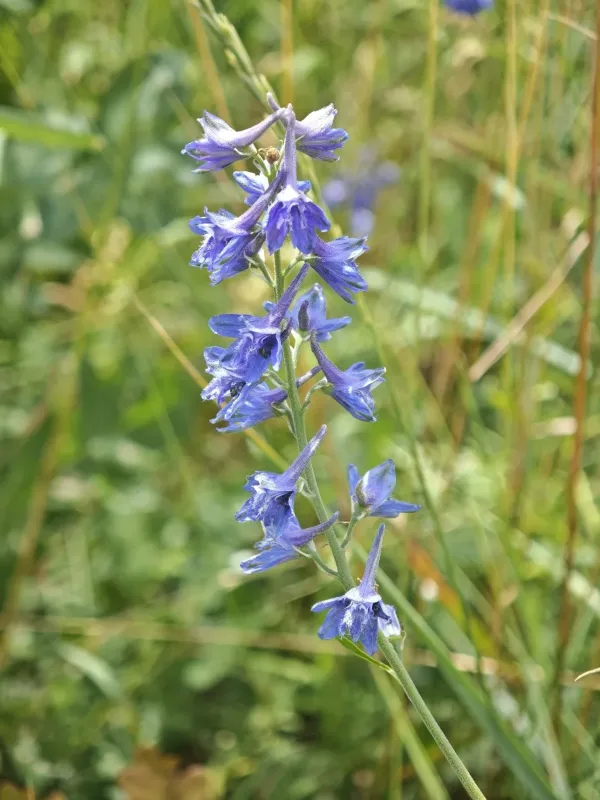
Description
Sowing dates
Delphinium schmalhausenii seeds require a significant period of dormancy, making late autumn or early spring the most suitable time for planting following stratification.
Surface sowing is recommended as the seeds are extremely small; covering them with a thin layer of substrate, no more than 0.5 cm deep, is essential for light penetration.
Achieving optimal germination rates involves keeping the seeds in a cold environment for at least four weeks to simulate winter dormancy and improve overall seedling vigor.
Indoor sowing in greenhouses requires a controlled temperature between 15 and 18 degrees Celsius, ensuring consistent moisture levels without waterlogging the germination medium.
Transplanting into the permanent field site should be performed once the danger of late spring frosts has passed, allowing the root system to establish before summer heat.
Growing requirements
This species thrives in full sun exposure, although it can tolerate partial shade in areas with intense heat, provided the soil remains consistently moist and well-drained.
Fertile, loamy soils with a neutral pH provide the ideal conditions for robust growth, ensuring the plant has access to necessary nitrogen and potassium for flowering.
Adequate drainage is paramount for this culture; raised beds or sandy substrate amendments are often used to prevent water stagnation around the sensitive root crown.
The plant demonstrates significant hardiness, capable of surviving temperature fluctuations common in mountainous habitats, which are its native environmental niches.
Wind protection is necessary to maintain the integrity of the flower stalks, which can become top-heavy during the peak blooming phase of the vegetative season.
Main diseases and pests
Powdery mildew is a prevalent issue during periods of high humidity and poor air circulation, frequently affecting the foliage and reducing the photosynthetic capacity.
Root rot, driven by excessive soil moisture, poses a major threat to long-term plant health and usually necessitates the implementation of strict irrigation management protocols.
Insects like aphids and specialized delphinium flies are common pests that feed on plant sap and developing buds, requiring integrated pest management strategies.
Gastropods, particularly slugs, can cause extensive damage to young seedlings, often destroying entire patches if protective measures are not implemented early in the spring.
- Sanitary pruning to remove infected foliage.
- Use of systemic fungicides during high-humidity periods.
- Application of physical or chemical barriers against mollusks.