
Delphinium ruysii
Delphinium ruysii
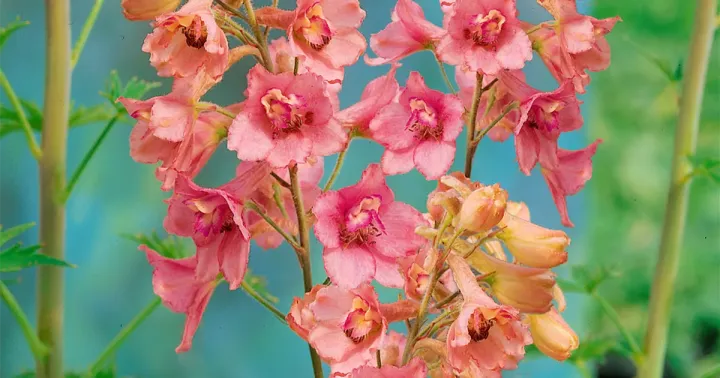
Description
Sowing dates
Delphinium ruysii is a hybrid perennial resulting from the cross-breeding of D. elatum and D. nudicaule. Due to its hybrid nature, propagation is most successful through division of the root clump in spring or early autumn to ensure the offspring maintain desired characteristics.
If sowing from seeds, they require a cold stratification period of several weeks to break dormancy and ensure uniform germination. Seeds should be sown in prepared trays under controlled indoor conditions during late winter.
Seedlings or divisions should be transplanted into permanent sites only after the last frost danger has passed. Proper spacing, generally 40 to 60 centimeters, is crucial to promote airflow and prevent moisture buildup.
Soil preparation is essential for successful establishment. Incorporating organic matter, such as well-rotted compost, into the soil profile improves structure and provides a slow-release nutrient base for the growing season.
Establishing the root system requires careful attention during the first month. Regular, moderate watering helps the plant stabilize while avoiding the risk of root rot from overly saturated conditions.
Growing requirements
As a member of the Ranunculaceae family, Delphinium ruysii thrives in locations with ample sunlight. For optimal growth and spike development, select an area that receives at least six to eight hours of direct sun daily.
The plant demands fertile, well-draining soil with a neutral to slightly alkaline pH. If the existing soil is heavy clay, amending it with sand or grit is necessary to ensure adequate drainage and prevent waterlogging.
Climatic conditions should be temperate. While the plant is hardy, it benefits from wind protection to prevent the tall flower stems from breaking during heavy storms or high winds.
Nutrient management involves applying balanced fertilizers in early spring to encourage vegetative growth, followed by higher phosphorus and potassium formulations as the plants enter the budding phase.
Consistent moisture management is required during the dry summer months. Mulching around the base with organic material helps maintain soil temperature and moisture levels without touching the main crown of the plant.
Yield
The agricultural usage of Delphinium ruysii is primarily centered on ornamental horticulture. Its commercial value is tied to its high-quality, vibrant spikes used in landscaping and professional cut-flower markets.
Yield, in this context, refers to the number and quality of flower spikes produced per clump. Under optimal conditions, a single plant can produce multiple sturdy stems, reaching heights of approximately 100 to 120 centimeters.
Deadheading faded flower stalks can occasionally encourage a second flush of blooms, effectively increasing the total seasonal output of the plant. However, this depends heavily on local climate conditions and plant vigor.
The plant is highly valued for cut-flower production due to the long vase life of the spikes. Harvesting should occur in the early morning when the lower florets are partially open to maximize freshness.
To sustain high productivity levels over multiple seasons, it is recommended to divide the plants every four to five years to rejuvenate the crown and prevent overcrowding.
Main diseases and pests
Powdery mildew is the most prevalent fungal disease affecting this species, particularly in areas with poor airflow or high humidity. Regular scouting and the application of fungicides are effective control measures.
Crown and root rot pose significant risks, especially in poorly drained soils. Managing water applications and ensuring the soil remains light and airy are the best preventative strategies against these pathogens.
Pests such as delphinium-specific flies can damage the developing buds, rendering them unsuitable for ornamental use. Using systematic insecticides helps protect the reproductive parts of the plant during the early growth stages.
Slugs and snails frequently target young growth in the spring. Using copper tape, barriers, or environmentally friendly bait stations can significantly reduce the damage caused by these mollusks.
Maintaining high hygiene standards by removing dead leaves and clearing debris around the base of the plant reduces the overwintering capacity of pests and fungal spores.