
Delphinium pictum
Delphinium pictum
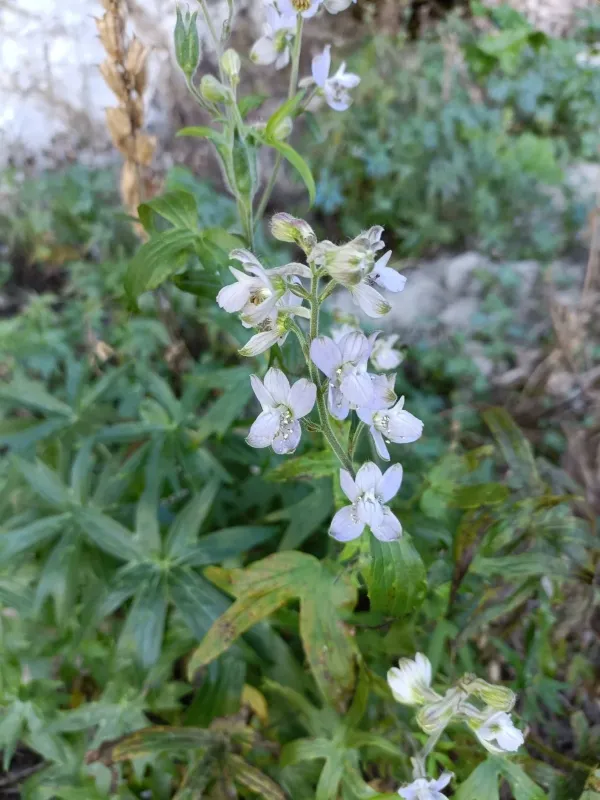
Description
Sowing dates
Sowing of Delphinium pictum seeds is typically performed in late autumn or early spring following a necessary stratification period. The optimal temperature for successful germination ranges between 12 and 15 degrees Celsius, as higher heat levels may inhibit development.
For spring sowing, seeds should be kept in a cool environment to mimic natural seasonal cycles, which enhances sprouting rates. The seeds should be covered with a thin layer of soil, approximately 0.5 to 1 centimeter deep, to ensure proper oxygen exposure.
Maintaining consistent soil moisture during the germination phase is critical, though overwatering must be strictly avoided to prevent seedling damping-off. Pricking out is recommended once the first two true leaves have formed to promote healthy root expansion.
Transplanting hardened seedlings into open ground is best scheduled for late spring after the threat of frost has passed. Planting density should allow for 30 to 40 centimeters of space between plants to ensure adequate air circulation and growth room.
Professional growers often utilize growth stimulants to improve seed vigor and ensure uniformity in plant development. Adhering to these sowing timelines ensures that the plants are robust enough to achieve their full blooming potential during the growing season.
Growing requirements
Delphinium pictum, a member of the Ranunculaceae family, flourishes in sunny locations that are well-protected from strong, drying winds. The crop thrives in fertile, well-drained soils, preferably light loams with a neutral or slightly acidic pH level.
Proper drainage is the most vital requirement for this species, as stagnant water around the root zone leads to rapid decay and plant death. Periodic cultivation and loosening of the soil surface are essential for maintaining optimal root respiration.
While the plant exhibits moderate drought resistance, it requires consistent watering during active vegetative growth and the budding phase. Applying mulch such as peat or organic matter helps retain soil moisture and prevents root overheating during hot summers.
Fertilization with balanced mineral compounds, particularly those rich in phosphorus and potassium, significantly enhances the quality and intensity of the bloom. Incorporating organic matter during autumn soil preparation ensures a sustained nutrient supply.
This species is highly adaptable, making it suitable for both professional floriculture and home garden use. In colder climates, providing a light winter covering of straw or foliage protects the crown from severe freeze-thaw cycles.
Main diseases and pests
The primary threats to Delphinium pictum include fungal pathogens such as powdery mildew and various types of root rot. These diseases are most prevalent in conditions with high humidity and poor ventilation among the plantings.
Pests such as delphinium aphids and noctuid caterpillars can cause significant damage to the foliage, necessitating active intervention. Furthermore, soil-borne nematodes can impact the root system, leading to stunted overall plant performance.
Effective disease control involves the use of systemic fungicides applied at the first signs of infection to stop the spread. Preventive measures, such as crop rotation and the thorough removal of plant debris in autumn, are crucial for long-term health.
Pest management relies on the careful application of contact insecticides, which should be performed during evening hours to minimize risk to beneficial pollinators. A proactive approach allows for a reduction in total chemical exposure.
Ongoing monitoring of the crop is essential to identify early-stage outbreaks and mitigate damage before it becomes widespread. Starting with healthy, disease-free material is the foundation of successful cultivation and higher yields.