
Delphinium peregrinum
Delphinium peregrinum
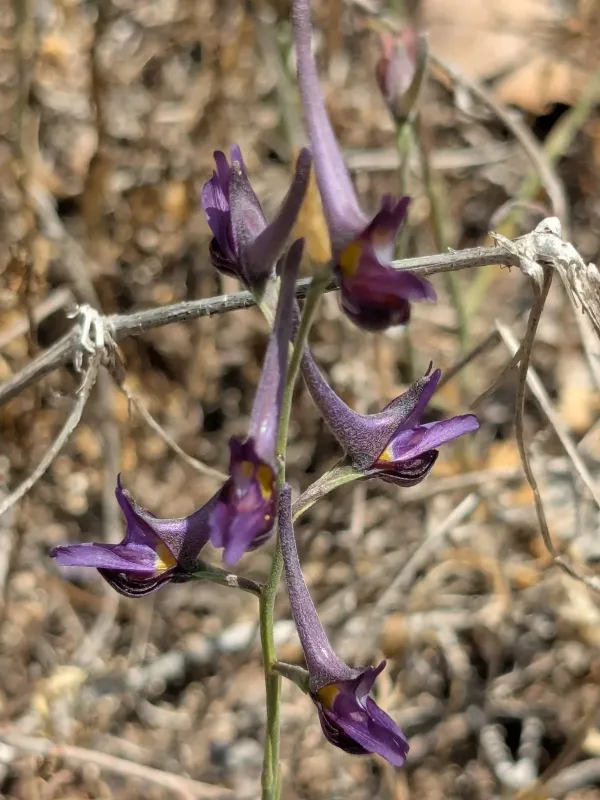
Description
Sowing dates
Delphinium peregrinum is best propagated by seeds sown either in late autumn for natural stratification or in early spring. To achieve successful germination, seeds should be sown in a high-quality, sterile growing medium that provides adequate drainage and nutrient availability for emerging seedlings.
Light is a critical factor for the germination of this species. When sowing, ensure that seeds are covered only by a very thin layer of fine soil or vermiculite, as deep burial can significantly inhibit the germination process due to insufficient light exposure to the seeds.
Maintain a stable temperature range between 15°C and 18°C during the germination period. Consistent moisture levels in the growing medium are essential; however, avoid waterlogging the soil, as this can lead to the rapid development of fungal damping-off, which often destroys young seedlings.
Once seedlings develop their first true leaves, they should be carefully pricked out into individual pots. This practice encourages the development of a robust root system and prevents root competition among the young plants, leading to stronger growth before the final outdoor planting.
Transplanting into the permanent garden site should occur after the risk of frost has passed, typically in late spring. Proper spacing of 30–40 cm between plants is recommended to allow for optimal airflow and to reduce the risk of humidity-related diseases during the peak growth season.
Growing requirements
Delphinium peregrinum thrives in locations that receive full sun for the majority of the day. As a member of the Ranunculaceae family, it requires a well-structured soil environment that is rich in organic matter and maintains a neutral to slightly alkaline pH level for best results.
Good soil drainage is essential for the long-term survival of the plant. In areas with heavy clay soils, incorporating coarse sand or compost is necessary to improve porosity and prevent moisture stagnation, which can lead to root rot and other physiological stressors.
Watering requirements are moderate; the plant prefers consistent moisture without being waterlogged. During periods of drought, supplemental irrigation is necessary to ensure the continuous development of flower spikes, as dry conditions can cause early wilting and stunted inflorescences.
Nutrient management is key to producing high-quality specimens. A balanced NPK fertilizer applied during the early vegetative stage supports lush foliage development, while a formula higher in phosphorus and potassium applied before flowering enhances blossom vibrancy and structural integrity.
Wind protection is another important requirement, especially for taller specimens. Providing support with bamboo stakes or plant cages helps the stems withstand strong winds and heavy rainfall, preventing breakage and maintaining the plant's aesthetic value in the garden landscape.
Main diseases and pests
Powdery mildew is a common threat for Delphinium species, characterized by a white, flour-like growth on the leaves. This disease is most prevalent in environments with high humidity and poor air circulation, making proper plant spacing a crucial preventative measure in the field.
Root and crown rot represent major health risks, often triggered by overwatering or soil that lacks proper drainage. Once infected, plants frequently show signs of wilting and decay, necessitating the immediate removal of the affected specimens to protect the rest of the planting.
Pests such as aphids and cyclamen mites can severely impact the plant's health by feeding on tender new growth. Infestations typically result in deformed leaves, distorted flower buds, and a general loss of vigor, which requires prompt intervention with selective insecticides.
Slugs and snails often feed on young foliage, especially during moist spring weather. Implementing physical barriers or using pet-safe baits around the base of the plant can significantly reduce herbivore damage and preserve the structural integrity of the developing foliage.
Regular inspection of the foliage and stems allows for early detection of potential threats. Maintaining a clean growing area by removing dead plant debris also reduces the population of overwintering pathogens and pests, contributing to the overall health of the culture.