
Mountain Larkspur
Delphinium montanum
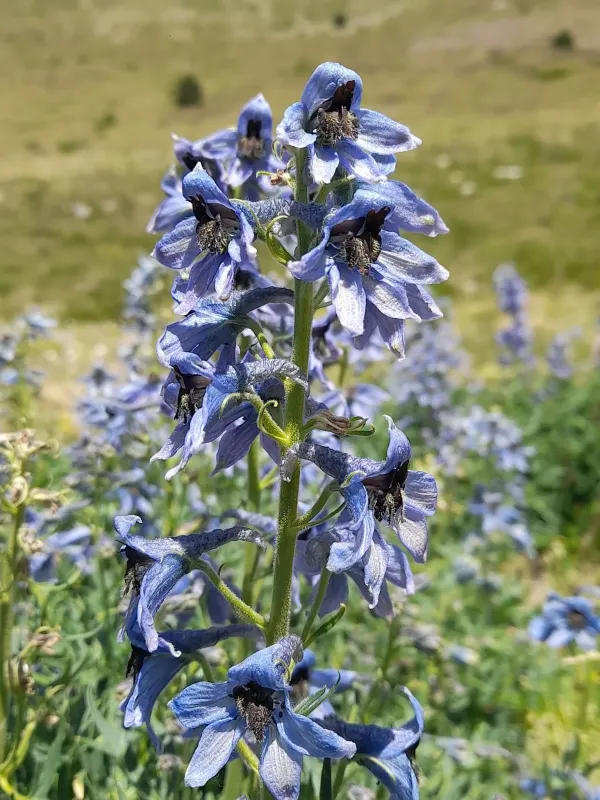
Description
Sowing dates
Mountain Larkspur, belonging to the Ranunculaceae family, is a perennial herb that thrives in high-altitude conditions. Seeds are typically sown in late autumn for winter stratification or in early spring after cold treatment to break dormancy and ensure uniform germination.
For successful sowing, the soil temperature should be maintained between +10 and +15 degrees Celsius. The seeds require shallow coverage of soil, about 0.5 centimeters, as light exposure is often beneficial for initial sprout development.
In large-scale operations, a seedling nursery method is preferred. This allows for better control over the environment during the delicate early growth stages, protecting the young plants from weeds and environmental stress before field transplanting.
Row spacing should be approximately 40 to 50 centimeters, allowing for efficient air circulation. Proper spacing is critical to avoid the overcrowding that often leads to fungal issues in humid conditions.
Preparation of the seedbed involves deep plowing and the integration of organic matter such as mature compost. A well-structured soil base ensures that the deep root systems of Delphinium montanum can establish effectively.
Growing requirements
The plant prefers a cool climate and is naturally adapted to mountain environments with moderate humidity. It shows high resilience to low winter temperatures, making it a suitable candidate for cold-climate regions where other crops might struggle.
Soil requirements focus on fertility and drainage. The crop performs best in loamy, nutrient-rich soils with a neutral pH. It is highly sensitive to waterlogging, necessitating excellent drainage management to prevent root death.
Regular irrigation is vital during the peak growing season, particularly before and during the budding phase. A consistent moisture level supports the production of biomass and ensures high-quality harvest yields.
Nutrient management involves applying balanced NPK fertilizers. Nitrogen promotes leafy growth, while potassium and phosphorus are essential for root development and overall plant resistance to biotic and abiotic stresses.
Exposure management is key; while the plant enjoys sunlight, it thrives in locations that are protected from harsh, direct midday sun in warmer climates. Providing partial shade during the hottest part of the day can prolong the plant's productive lifespan.
Main diseases and pests
Powdery mildew is the most common fungal disease affecting Mountain Larkspur, particularly in dense stands with poor airflow. Regular scouting and preventative fungicide applications are necessary to maintain healthy crop foliage.
Root rot is a persistent risk in waterlogged or poorly drained fields. Farmers should ensure the soil structure remains loose and aerated to prevent the development of pathogenic fungi that target the crown and roots.
Slugs and snails can cause significant damage to young foliage, especially in damp conditions. Effective pest management strategies include bait traps, organic barriers, or timely application of molluscicides to protect the younger plant cohorts.
Aphids are frequent pests that infest the soft tissue of the flower buds and shoot tips. Systematic insecticide applications or the introduction of beneficial predatory insects can help keep aphid populations below the economic threshold.
Virus infections, often spread by sucking insects, can cause stunted growth and foliage mosaic patterns. The best control method is strict removal and disposal of any infected plants to protect the integrity of the remaining crop.