
Delphinium hirschfeldianum
Delphinium hirschfeldianum
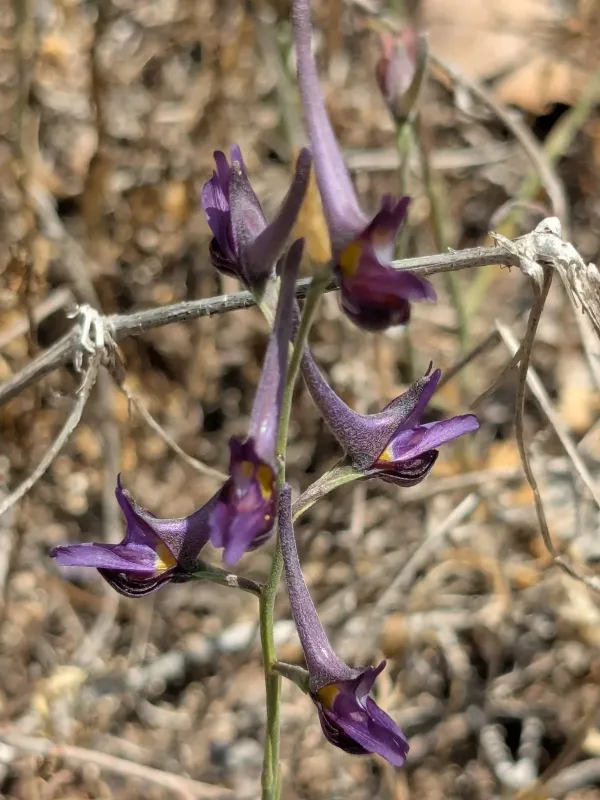
Description
Sowing dates
Sowing Delphinium hirschfeldianum seeds is typically performed in early spring once the soil temperature has reached a stable level for germination.
For commercial or professional gardening, starting seeds in greenhouses during late winter is recommended to ensure robust seedling development before transplanting.
Cold stratification is a critical pre-sowing treatment that helps break dormancy and ensures a higher uniformity in seedling emergence rates.
Seeds should be covered with a very thin layer of soil, as exposure to light is often necessary for the physiological processes during the germination stage.
Spacing should be carefully planned during sowing to prevent overcrowding, which facilitates better air circulation and reduces the risk of fungal infections later on.
Growing requirements
Belonging to the Ranunculaceae family, this species thrives in locations with abundant sunlight, which is essential for the production of high-quality inflorescences.
The soil must be fertile, well-drained, and rich in organic matter to provide the necessary nutrients for the plant's rapid growth cycle throughout the season.
Consistent moisture management is required, especially during the active blooming phase, although waterlogging should be strictly avoided to prevent root rot.
Due to the plant's height, wind protection is essential, and artificial support systems or staking are often required to maintain the structural integrity of the stems.
Regular monitoring of soil pH is beneficial, as the plant performs best in neutral to slightly alkaline conditions for optimal nutrient uptake.
Main diseases and pests
Powdery mildew is a frequent issue in dense stands, particularly during periods of high humidity and poor ventilation among the foliage.
Root rot caused by various soil-borne pathogens can devastate the crop if the irrigation regime is not strictly controlled throughout the growing period.
Pests like the delphinium fly and various species of slugs are significant threats that target both leaves and developing flower buds during the spring season.
Integrated pest management strategies are recommended, including the use of targeted insecticides and manual removal of pests to keep damage to a minimum.
Cultural practices such as clearing plant debris after the season play a vital role in reducing the overwintering population of harmful pathogens and insects.