
Delphinium fissum
Delphinium fissum
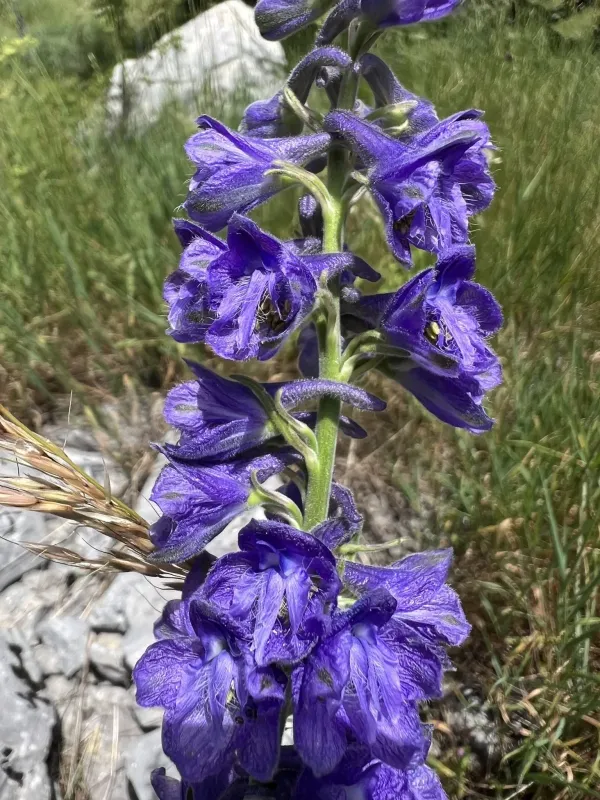
Description
Sowing dates
Sowing seeds of Delphinium fissum is best performed in late autumn for natural stratification or in early spring following a month-long cold treatment to improve germination rates.
For greenhouse cultivation, seeds are sown in trays in late February, maintaining a steady temperature range of 15 to 18 degrees Celsius until the emergence of the first true leaves.
The seeds should be covered with a very thin layer of substrate (up to 0.5 cm), as they require light to germinate and thrive in environments with consistent, moderate humidity.
Seedlings are transferred to the garden after the threat of frost has passed, ensuring a spacing of 40–50 cm to allow for proper plant development and airflow.
If sown directly in open soil, seedlings usually appear within three to four weeks, requiring diligent protection from weed encroachment and soil crusting during their initial growth phase.
Growing requirements
Delphinium fissum, a member of the Ranunculaceae family, flourishes in sunny, open locations that are shielded from strong winds to protect the tall flower spikes.
The crop requires fertile, well-drained loamy or sandy soils with a neutral or slightly alkaline pH (6.5 to 7.5) to maximize its vegetative and flowering potential.
Effective drainage is non-negotiable for this species, as excessive soil moisture leads to root rot and winter loss, especially in regions with heavy autumn rainfall.
During the growing season, consistent irrigation is necessary, though water should be directed solely at the base of the plant to avoid wetting the foliage and flowers.
Regular fertilization with potassium and phosphorus-rich compounds throughout the growth cycle encourages more robust stems and a vibrant display of characteristic flowers.
Main diseases and pests
Powdery mildew is the most common disease affecting Delphinium fissum, particularly in humid conditions with significant diurnal temperature fluctuations that favor fungal growth.
The delphinium fly poses a severe threat, as it lays eggs in developing buds, which subsequently leads to stunted growth or the premature abortion of flowering structures.
Soil-borne nematodes can cause damage to the root system, making it essential to perform regular soil inspections and implement crop rotation practices to maintain plant health.
Systemic fungicides are recommended for the management of fungal outbreaks, and these should be applied at the first signs of leaf spots or mildew colonization.
Good sanitation practices, such as removing weeds and disposing of dead plant tissue, play a critical role in preventing the build-up of pests and pathogens in the growing area.
Harvesting
Flower harvest for floral displays or commercial use occurs during the height of the summer season, ideally when the blooms are just beginning to open to ensure maximum vase life.
Seed collection is performed after the pods have darkened, requiring dry weather conditions to ensure the seed material remains viable and free of mold during subsequent storage.
After the blooming period, the stems should be pruned to a height of 10–15 cm to allow the plant to redirect its energy reserves into the roots for better winter hardiness.
Harvested flowering stalks must be dried immediately in a ventilated, shaded area to prevent color fading and maintain the aesthetic quality of the plant material.
Clearing away all vegetative debris before the arrival of winter is vital to keep the growing site healthy and to mitigate the risks associated with overwintering plant pests.