
Delphinium dasycarpum
Delphinium dasycarpum
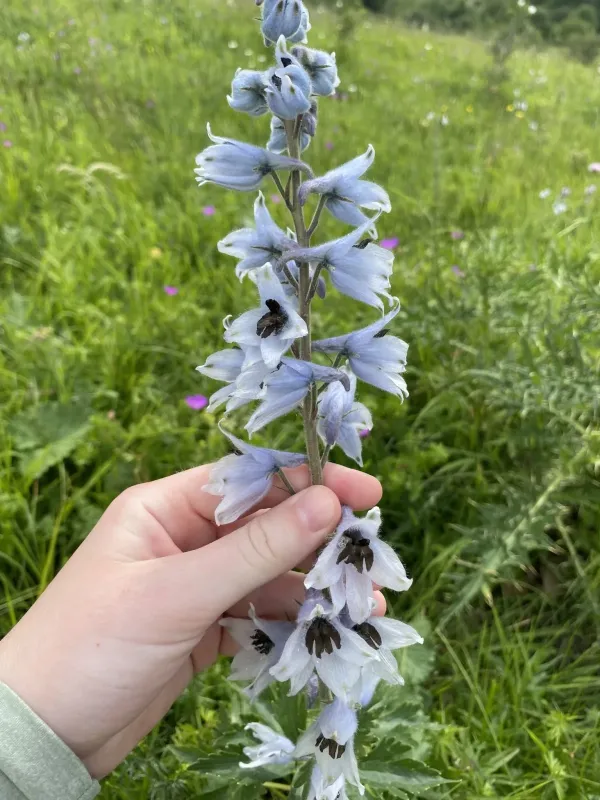
Description
Sowing dates
Delphinium dasycarpum is a perennial herbaceous plant belonging to the Ranunculaceae family. In its native habitat, sowing naturally occurs in autumn, as the seeds require a period of winter stratification to break dormancy and germinate successfully in spring.
When cultivating this species, seeds should be sown in prepared, loose soil at a depth of 1 to 2 centimeters. It is highly recommended to mulch the soil surface after planting to maintain consistent moisture, which is vital for the germination of these delicate seeds.
For greenhouse or nursery production, spring sowing requires pre-treating seeds in cold storage for one to two months. Skipping this cold stratification process will result in very poor germination rates due to the plant's natural biological cycle.
The plant grows slowly during its first year, focusing its energy on developing a strong root system and a basal rosette of leaves. The flowering stem usually emerges during the second or third growing season, signaling the plant's maturity.
Planting density depends on the final use of the crop. However, for obtaining high-quality material, a spacing of 30 to 40 centimeters between individual plants is ideal to ensure sufficient airflow and light penetration.
Growing requirements
This species thrives in temperate climates, preferring cool and moist environments. It is well-adapted to high-altitude or mountainous regions where summer temperatures remain moderate, avoiding the stress of extreme heat.
The soil should be fertile, well-draining, and have a neutral to slightly alkaline pH. The plant is extremely sensitive to waterlogged conditions, which can lead to rapid root rot, so proper site selection and drainage are critical for success.
While the plant requires good light for optimal growth, it benefits from slight shade during the hottest hours of the day in warmer regions. This prevents leaf burn and helps maintain the integrity of the vegetative mass.
Regular fertilization with organic matter in the early spring supports vigorous growth. Supplementary mineral fertilizers, specifically those rich in phosphorus and potassium, promote better flowering and structural strength of the stems.
Delphinium dasycarpum is generally winter-hardy and can withstand low temperatures. The main maintenance priority in cold regions is preventing excess water accumulation around the crown during the spring thaw, which could damage the plant.
Main diseases and pests
Fungal diseases, including powdery mildew and various types of root rot, are the most significant threats to this crop. These pathogens typically flourish when humidity is too high and soil aeration is poor.
Pests such as the delphinium fly (Phytomyza delphiniae) can cause substantial damage to the leaves and stems. Leaf-chewing larvae also pose a risk, as they can quickly defoliate the plant if not monitored closely.
Integrated pest management strategies should be employed, utilizing fungicides and insecticides as needed. It is essential to choose products that are effective yet safe for the specific environment where the plants are grown.
Slugs and snails often feed on young sprouts and growth points, particularly during rainy periods. Barrier methods, such as copper tape or organic slug pellets, are effective ways to protect the plants from these mollusks.
Promptly removing infected plant parts and maintaining a weed-free environment around the base of the plant help reduce the spread of diseases and prevent the establishment of pest populations.
Harvesting
Harvesting usually takes place during the full flowering stage, as this is when the concentration of biologically active alkaloids is at its highest. This timing is critical for ensuring the quality of the medicinal material.
The aerial parts are harvested by cutting the stems at a height of approximately 15 centimeters from the ground. It is mandatory to wear protective gloves throughout the process, as all parts of the plant contain toxic compounds.
Immediately after harvest, the material should be transported to a drying facility. It is dried in a shaded, well-ventilated area or a temperature-controlled drier at a maximum temperature of 45 degrees Celsius.
The dried product must be stored in airtight containers in a cool, dark location. Containers must be clearly labeled as toxic, reflecting the poisonous nature of the alkaloids found within the plant tissue.
Personnel handling the plant should be trained in safety procedures, including the use of respiratory protection to prevent inhaling dust from the dried plant material. Residual plant matter should be composted away from water sources.