
Kashmir delphinium
Delphinium cashmerianum
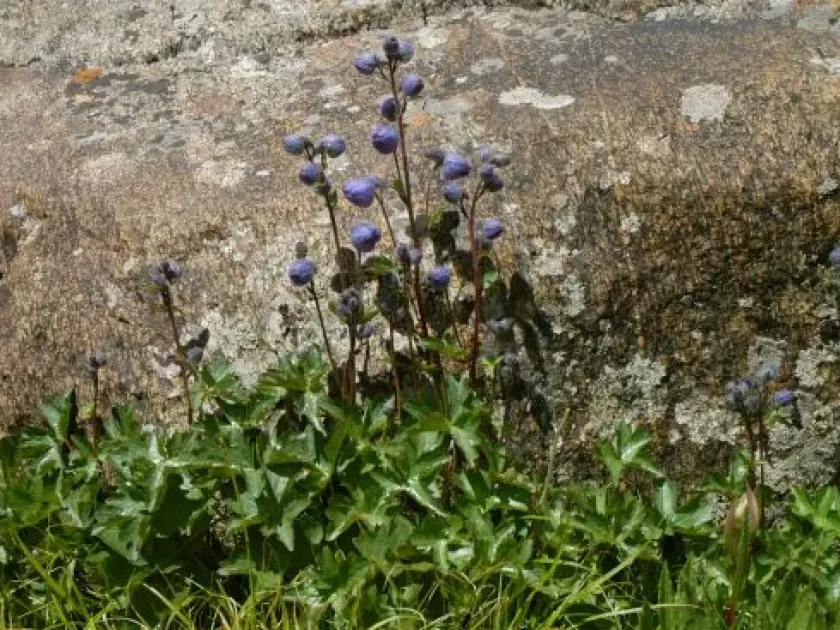
Description
Sowing dates
Sowing seeds of the Kashmir delphinium is best performed in late autumn as the seeds require natural stratification to germinate successfully. In regions with temperate climates, direct sowing into open ground is recommended in October or November.
If using the seedling method, seeds should be sown in containers during February or March, after keeping them in a refrigerator at +4...+5 degrees Celsius for about a month. This cold stratification process significantly improves germination rates.
Seeds should be covered with no more than 0.5 cm of soil, as they need a small amount of light to germinate properly. Containers are typically covered with dark film until the first sprouts emerge.
Seedlings are pricked out into individual pots once the first two true leaves appear. Hardened seedlings should be planted in their permanent location only after the danger of frost has passed.
It is important to note that the Kashmir delphinium does not tolerate frequent transplanting well. Using peat pots is recommended to minimize root disturbance during the final planting stage.
Growing requirements
The Kashmir delphinium belongs to the Ranunculaceae family and is native to the high-altitude regions of the Himalayas. The plant thrives in open, sunny locations but can tolerate partial shade during the hottest hours of the day.
The soil must be fertile, well-drained, and have a neutral pH level. The plant is extremely sensitive to moisture accumulation around the root crown, which can lead to decay during the winter months.
Moderate but consistent watering is essential during the active growing season. Regular feeding with complex mineral fertilizers, focusing on potassium and phosphorus, supports robust growth and flower development.
This species possesses high frost resistance typical of alpine flora. However, mulching the soil is recommended during snowless winters to protect the root system from drastic temperature fluctuations.
Given its origin in the mountainous regions of Kashmir, Tibet, and Afghanistan, the plant prefers cool air and good ventilation around the bush to stay healthy throughout the summer season.
Main diseases and pests
The main threats to the Kashmir delphinium are fungal diseases such as powdery mildew, which often occurs due to overcrowding and poor air circulation. Timely thinning of plants is the best preventive measure.
Root rot is common in waterlogged soils. Establishing an efficient drainage system at the time of planting is crucial to ensure the long-term survival of the plant, especially in heavy clay soils.
Pests such as aphids, slugs, and snails are the most common enemies, frequently damaging young leaves and stems. Regular monitoring of the garden allows for the early detection and management of pest colonies.
Systemic insecticides are effective for pest control. In cases of powdery mildew outbreaks, spraying with copper-based fungicides or sulfur-containing agents is recommended to halt the spread of the disease.
Gardeners should also be wary of nematode infestations. If leaves become deformed, the affected plants must be carefully removed and discarded to prevent the pathogens from spreading to healthy parts of the garden.