
Delphinium brunonianum
Delphinium brunonianum
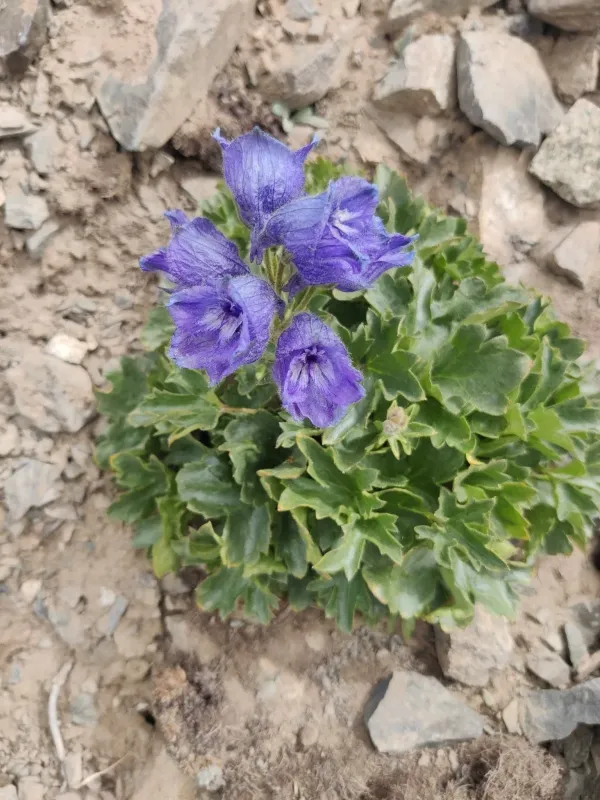
Description
Sowing dates
Delphinium brunonianum, belonging to the Ranunculaceae family, is a distinct high-altitude perennial that requires specific seed preparation techniques for success.
The optimal time for sowing seeds is in the late autumn, allowing for a natural stratification period as seeds undergo cold exposure during the winter months.
If utilizing a greenhouse or indoor method, sow seeds in early spring using a well-draining, loose potting mix, ensuring seeds are only lightly covered.
Germination can be erratic and slow, often taking several weeks, so maintaining a consistent moisture level without waterlogging is crucial for seedling viability.
Seedlings should be transplanted into individual containers once they develop their first true leaves to prevent competition and allow for healthy root development.
Growing requirements
Originating from the high-altitude regions of the Himalayas and Tibet, this plant is inherently adapted to harsh environments and significant temperature fluctuations.
Successful cultivation requires well-draining, loamy soils with a neutral to slightly alkaline pH level to mimic the plant's natural rocky habitat.
It demands a position in full sun to ensure robust growth of its flower spikes, while protection from strong, damaging winds is highly recommended.
Proper drainage is the most critical factor, as stagnant water around the roots can be lethal to the plant, especially during the dormant winter period.
During the growing season, moderate irrigation is sufficient, and care must be taken to apply water at the base to avoid wetting the foliage excessively.
Main diseases and pests
The primary concern for growers is powdery mildew, which tends to proliferate in environments with high humidity and poor air circulation around the plants.
Root rot remains the most significant threat, typically caused by waterlogged soil conditions that compromise the health of the plant's delicate root system.
Pest issues often include the delphinium miner and various aphid species that target tender new growth and developing flower buds throughout the spring.
Slugs and snails can also cause substantial damage to young plants by consuming foliage, requiring proactive monitoring and barrier protection in the garden.
Maintaining clean growing areas and applying appropriate fungicides at the first sign of infection are essential practices for ensuring the longevity of the plant.