
Swamp loosestrife
Decodon verticillatus
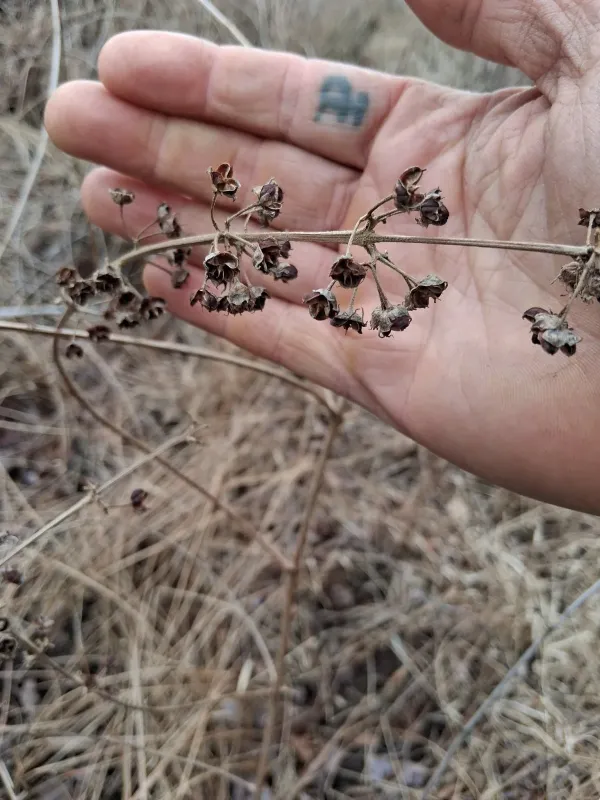
Description
Sowing dates
Swamp loosestrife is primarily propagated through vegetative methods, specifically by taking stem cuttings during the early summer months.
The plant possesses a natural tendency to root at the nodes where its arching stems touch the moist soil or shallow water surface.
Planting in a permanent location should occur after the threat of frost has passed, ensuring the soil or water temperature is conducive to growth.
When establishing new colonies, maintain a consistent spacing of at least 18 to 24 inches to allow for the horizontal spread of the rhizomes.
Successful establishment relies on keeping the root zone consistently saturated, as drying out during the initial growth phase can be detrimental.
Growing requirements
Decodon verticillatus is a member of the Lythraceae family and is recognized as a quintessential plant for wetland and shoreline ecosystems.
The culture thrives in high-moisture environments, preferring water depths of up to 12 inches or boggy, waterlogged soil conditions.
Full sun exposure is preferred for maximum blooming and dense growth, though the plant can adapt to partial shade during the hottest part of the day.
The ideal soil substrate is rich, organic, and acidic, mimicking the conditions of natural marshes, swamps, and pond margins.
The plant demonstrates remarkable hardiness, surviving cold winter temperatures while remaining dormant under the surface of the water or ice.
Main diseases and pests
This species is generally considered robust and exhibits high resistance to most agricultural pests and common plant diseases.
Aphid infestations may occur on the succulent tips of the stems during periods of low airflow and high humidity in the summer season.
Fungal issues, such as leaf spot, can arise if the plants are overcrowded, which restricts air circulation and promotes moisture retention on foliage.
Maintaining adequate space between plants and removing debris from the water surface are effective preventative measures against potential threats.
Overall, chemical intervention is rarely necessary, as the plant is well-adapted to surviving within its natural aquatic environment.
Harvesting
The primary economic and practical use of this plant is for the bio-engineering of pond margins and the aesthetic enhancement of aquatic landscapes.
Harvesting for maintenance involves cutting back the senescent stems in late autumn after the foliage has turned a deep red or brown.
The woody stems, when pruned, are useful for sustainable gardening practices, as they can be composted to return nutrients to the local landscape.
Management of the plant in controlled settings often requires periodic thinning to prevent the colony from encroaching on open water areas.
Careful removal of excess growth ensures that the decorative appeal of the swamp loosestrife is maintained without disrupting the aquatic ecosystem.