
Decalepidanthus primuloides
Decalepidanthus primuloides
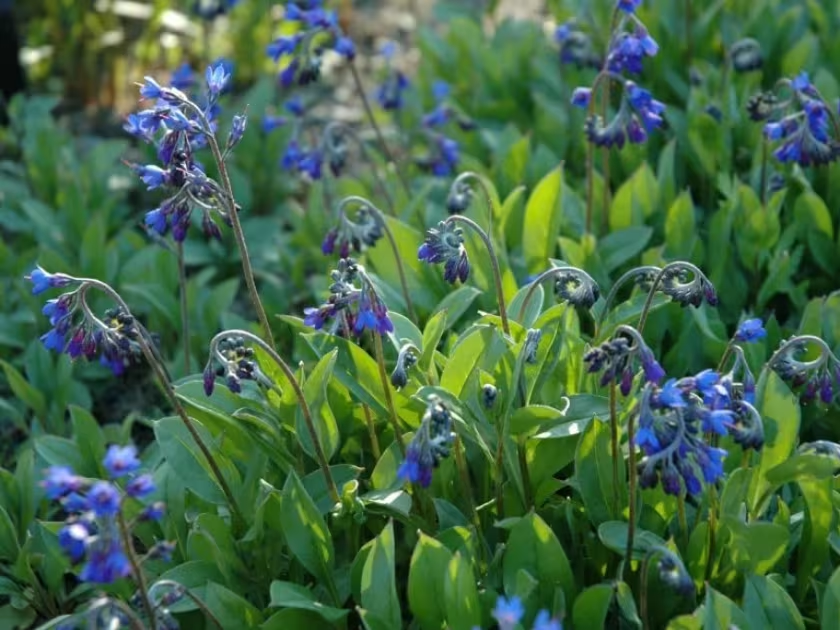
Description
Growing requirements
Decalepidanthus primuloides is a rare perennial herbaceous plant belonging to the Boraginaceae family. This species is native to the high-altitude regions of the Himalayas, where it thrives in specialized alpine environments.
The plant prefers specific growing conditions similar to the subalpine zone. It requires well-drained, stony, or sandy soils with a neutral to slightly acidic pH, and it is highly sensitive to waterlogging in the root zone.
Successful cultivation requires a cool summer climate and significant diurnal temperature fluctuations. The optimal temperature range for vegetation is between +10 and +18 degrees Celsius, and the plant exhibits high frost resistance typical of mountain flora.
Lighting requirements include intense diffused light or direct morning sunlight. In lowland cultivation, it is crucial to maintain a microclimate that prevents the overheating of the root system during the summer season.
Agronomic management involves maintaining moderate soil moisture without saturation. A layer of gravel mulch on the surface is recommended to protect the root crown from moisture-induced rot.
Main diseases and pests
The primary threats to this plant are fungal diseases caused by high atmospheric and soil humidity. Root rot and powdery mildew are the most critical risks that appear when aeration is insufficient.
Common pests include slugs and snails, which can cause significant damage to the plant's foliage and flower stems, especially during cool and humid growing conditions.