
Debregeasia edulis
Debregeasia edulis
Description
Sowing dates
Propagation of Debregeasia edulis is typically performed via seeds, which should be sown in a high-quality substrate during late winter or early spring.
Seed stratification is recommended to break dormancy and ensure a more uniform and vigorous germination rate across the entire sowing batch.
Vegetative propagation via cuttings is also a viable option, allowing for the preservation of desirable traits from the parent plant in new seedlings.
Transplanting seedlings to their permanent location must occur only after the danger of late spring frost has completely passed to avoid injury.
As a member of the Urticaceae family, the plant is relatively vigorous, but caution should be taken during early growth stages to support its delicate stems.
Growing requirements
This species thrives in sunny locations protected from harsh, drying winds, although it can tolerate partial shade during the peak of the summer.
The plant demands well-draining, nutrient-rich soils and is highly sensitive to waterlogged conditions that can cause root rot in a very short time.
A neutral to slightly acidic soil pH is ideal for maintaining optimal nutrient uptake and general health of the shrub throughout the growing season.
Being a heat-loving plant, it requires protection from severe cold in temperate regions to prevent dieback of the woody branches during winter.
Regular application of organic compost or balanced fertilizers significantly boosts growth, leading to more abundant flowering and fruit production.
Yield
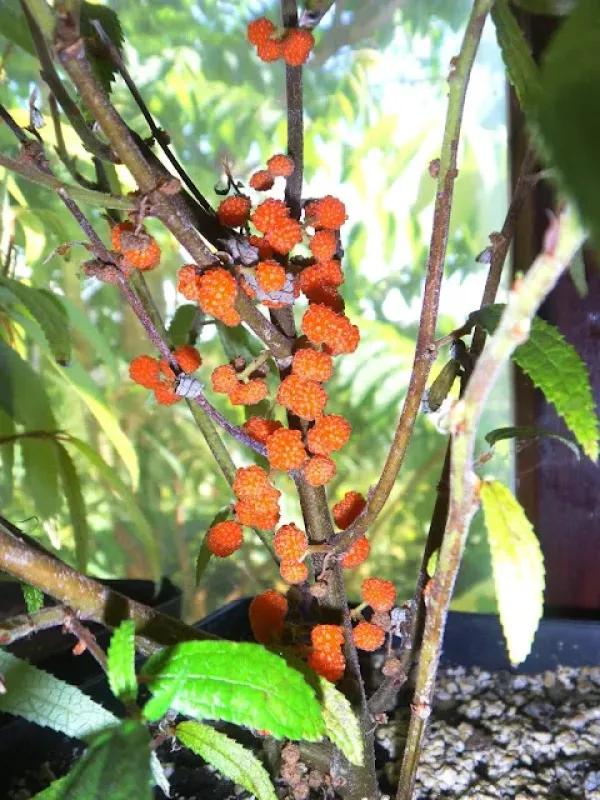
The fruit consists of clusters of juicy, bright orange-yellow berries that are highly appreciated for their sweet and pleasant flavor profile.
Fruit production usually begins a few years after the initial planting, increasing in yield as the shrub matures and establishes a robust root system.
The berries are typically enjoyed fresh, offering a unique texture that differentiates them from more common commercially available berries.
Proper pruning is essential to maintain high yield levels, as it encourages the development of new, productive wood instead of old, sterile growth.
Because the berries are quite delicate and have a short shelf life, the crop is best suited for personal home orchards or specialized boutique markets.
Main diseases and pests
Debregeasia edulis is generally considered a low-maintenance plant with strong natural resistance to many common fungal and bacterial pathogens.
Pests such as aphids and spider mites can occasionally affect the leaves, particularly during periods of prolonged drought or heat stress.
Root rot is the primary physiological threat, usually triggered by improper irrigation management or poor soil drainage in the planting area.
Maintaining good airflow and avoiding overcrowding is the most effective preventative measure against potential pest infestations in the shrubbery.
Routine monitoring of the foliage and stems allows for early detection of any issues, ensuring the plant remains healthy and productive.
Harvesting
Harvesting is performed by hand when the berries reach full maturity, indicated by a deep, vivid orange color and a soft, yielding texture.
Since the fruits do not ripen off the vine, it is crucial to wait until they are perfectly ripe to achieve the best flavor and sweetness.
The fruits must be handled with extreme care during picking, as they bruise very easily and can degrade rapidly if damaged in the container.
It is recommended to harvest early in the morning when the temperature is lower to help maintain the fruit's integrity and quality after collection.
- Fresh consumption.
- Processing into jams and fruit preserves.
- Decorative use in gourmet culinary desserts.