
Debia ovatifolia
Debia ovatifolia
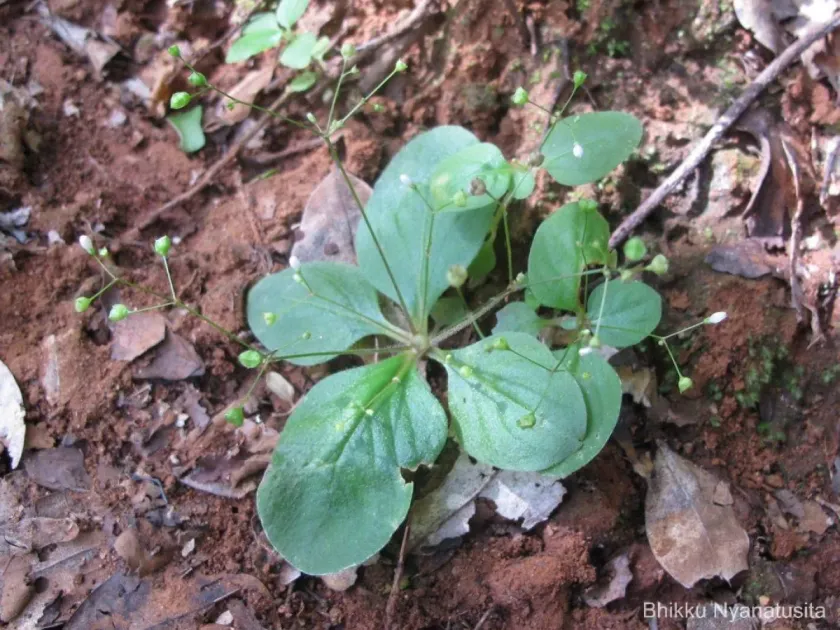
Description
Sowing dates
Sowing of Debia ovatifolia is best initiated once soil temperatures reach a stable level conducive to germination, typically in mid-spring. Proper seed placement is essential for ensuring robust initial growth.
Seeds should be planted at a depth of 2 to 4 centimeters, depending on the soil texture. This depth protects the seeds from drying out while allowing easy emergence for the young seedlings.
Uniform spacing during sowing is critical to minimize competition between plants. Proper row management aids in airflow and simplifies the maintenance tasks required throughout the growing season.
Pre-sowing soil preparation includes mechanical loosening to ensure a fine tilth. This promotes optimal root penetration and nutrient uptake from the early stages of development.
In regions with shorter growing seasons, starting seeds in climate-controlled environments can provide a head start, although this requires careful hardening off before transplanting into open fields.
Growing requirements
Debia ovatifolia requires a stable climate with adequate sunshine. Excessive shade can lead to leggy plants, which are less productive and more prone to lodging under stress.
Soil quality should be maintained through the application of organic matter or balanced fertilizers. Well-draining soils are preferred, as the plant is sensitive to waterlogged conditions that can cause rot.
Consistent moisture levels are required, especially during the flowering and seed-setting stages. Automated irrigation systems can help maintain optimal soil moisture even during hot summer months.
The plant thrives in soil with a neutral pH, and lime application may be necessary if the soil becomes too acidic. Monitoring soil nutrient levels periodically allows for precise fertilization.
Protection from strong winds is advisable in exposed fields. Planting windbreaks or utilizing row orientation can help minimize physical damage to the delicate leaves and stems of the plant.
Yield
Yield potential of Debia ovatifolia is highly dependent on integrated management practices. Proper weed control and nutrient scheduling are the primary levers for increasing overall crop production.
Early intervention in weed management prevents resource depletion, allowing the crop to focus its energy on seed development. Mechanical weeding between rows is effective if started early enough.
Regular field scouting allows producers to identify nutrient deficiencies or stress symptoms before they impact yields. Timely corrective actions can save a significant portion of the harvest.
Harvesting efficiency is a key factor in final output. Minimizing harvest losses through machinery calibration and optimal timing is essential for maximizing profitability in commercial operations.
Success in production is often linked to the use of high-quality, certified seeds which ensure uniformity. High-yielding varieties combined with proper site selection provide the best results.
Main diseases and pests
Fungal pathogens represent the most significant threat to the health of the crop, particularly under high humidity. Fungicide application should be targeted and used only when necessary.
Common pests include various insects that feed on the foliage, potentially reducing the photosynthetic capacity of the plant. Biological controls, such as beneficial insects, can often mitigate these issues.
Maintaining soil health is a natural defense against root diseases. Avoiding the over-application of water and ensuring adequate drainage keeps the root zone healthy and resistant to infections.
Crop rotation is a fundamental practice to break the cycle of soil-borne pests and diseases. This sustainable approach reduces the reliance on chemical inputs over the long term.
It is important to adhere to safety protocols when applying any protective treatments. Keeping a record of inputs and respecting pre-harvest intervals ensures the safety and marketability of the product.
Harvesting
Harvesting should occur once the plant reaches physiological maturity, indicated by specific changes in leaf and seed color. Avoiding premature harvesting ensures maximum development of components.
Dry weather conditions during harvesting are essential to minimize the moisture content of the harvested seeds. High moisture at harvest can lead to rapid degradation during storage.
After collection, the produce must undergo cleaning to remove debris and foreign material. This sorting process is vital for achieving top market grades and high quality standards.
Drying facilities with temperature control should be used to bring the moisture content down to safe levels for storage. Keeping temperatures below 40 degrees Celsius preserves the biological integrity.
Storage areas should be kept clean, cool, and dry. Regular inspections prevent mold buildup or infestation by pests, ensuring the product remains viable for its intended use throughout the off-season.