
Dasiphora
Dasiphora
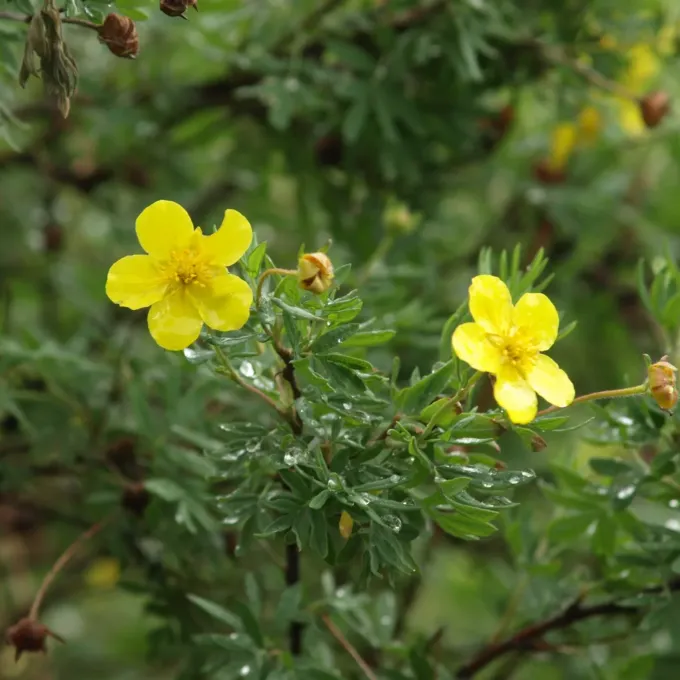
Description
Sowing dates
Dasiphora, commonly known as shrubby cinquefoil, is primarily propagated through vegetative means, such as cuttings or division of the bush. Planting in nurseries is carried out in early spring before sap flow begins or in the autumn, one month before stable frosts arrive.
For seed propagation, stratified material is used, which is sown in nursery beds or greenhouses. The seeds require surface sowing with only light covering with the substrate, as they are highly sensitive to planting depth.
The optimal time for taking cuttings is June-July, when shoots are in the active growth stage. The use of rooting stimulants significantly increases the survival rate of seedlings in large-scale production.
Planting seedlings in their permanent location requires adherence to spacing layouts to ensure the bushes receive sufficient light. For hedges or plantations, the optimal distance between plants is 60 to 80 centimeters.
After planting, abundant watering and mulching of the root zone with peat or compost are mandatory agricultural measures to retain moisture and prevent soil compaction.
Growing requirements
The crop belongs to the Rosaceae family and is known for its high ecological plasticity. It successfully grows on various soil types but prefers well-drained, light loams with moderate nutrient content.
Dasiphora is extremely heliophilous: shading leads to reduced flowering intensity and lower decorative quality. For maximum raw material yield, it is recommended to choose open, well-ventilated areas protected from cold air stagnation.
The plant possesses outstanding winter hardiness, characteristic of species originating from Eastern Siberia, the Far East, and the Kuril Islands. It withstands severe winters without additional covering, making it suitable for cultivation in northern latitudes.
Dasiphora has moderate soil moisture requirements. During dry periods, additional irrigation is necessary, but waterlogging in the root zone is detrimental and can lead to the development of rot processes.
In commercial cultivation, it is important to maintain a neutral or slightly acidic soil reaction. On poor soils, the crop responds well to the application of complex mineral fertilizers in the spring, which stimulates vegetative mass.
Yield
The economic use of Dasiphora is focused on harvesting leaf mass and inflorescences, which contain tannins, flavonoids, and essential oils. The mass collection of medicinal raw material is performed during the active flowering period, which lasts from June to September.
The yield of raw material directly depends on the age of the plantation and the agrotechnical background. On average, one adult bush can produce up to 500-800 grams of dry medicinal harvest per season, depending on the intensity of pruning.
Beyond its pharmacological value, Dasiphora is appreciated as a valuable honey plant. During the flowering period, the plantations provide bees with nectar and pollen, allowing for effective use of plantations near apiaries.
Regular rejuvenating pruning is a key factor in maintaining yields. Removing old, woody shoots stimulates the growth of new branches with abundant flowering, extending the shrub's productive cycle up to 20–30 years.
It is recommended to harvest raw material in dry, sunny weather after the dew has evaporated. Proper drying in ventilated rooms or dryers at temperatures not exceeding 45 degrees Celsius ensures the preservation of the plant's medicinal properties.
Main diseases and pests
Dasiphora possesses a strong natural immunity and is rarely affected by pathogens when agricultural practices are followed. However, in high humidity and poor ventilation, outbreaks of rust or powdery mildew may occur.
Among pests, leaf-eating insects, such as cutworm larvae or various sawfly species, pose the greatest danger to young shoots. In the case of mass infestation, biological preparations safe for beneficial pollinating insects are used.
On waterlogged sites, there is a risk of root rot caused by pathogenic fungi. Prevention involves improving drainage and avoiding soil compaction around the root collar.
Aphids may appear on the tips of young shoots during hot weather. To combat them, systemic insecticides or traditional remedies based on soap solutions with wormwood or garlic extracts are utilized.
The main defense strategy is maintaining high agricultural standards: timely weeding, application of balanced fertilizer doses, and annual sanitary pruning to remove damaged or diseased parts of the plant.