
Daphnopsis utilis
Daphnopsis utilis
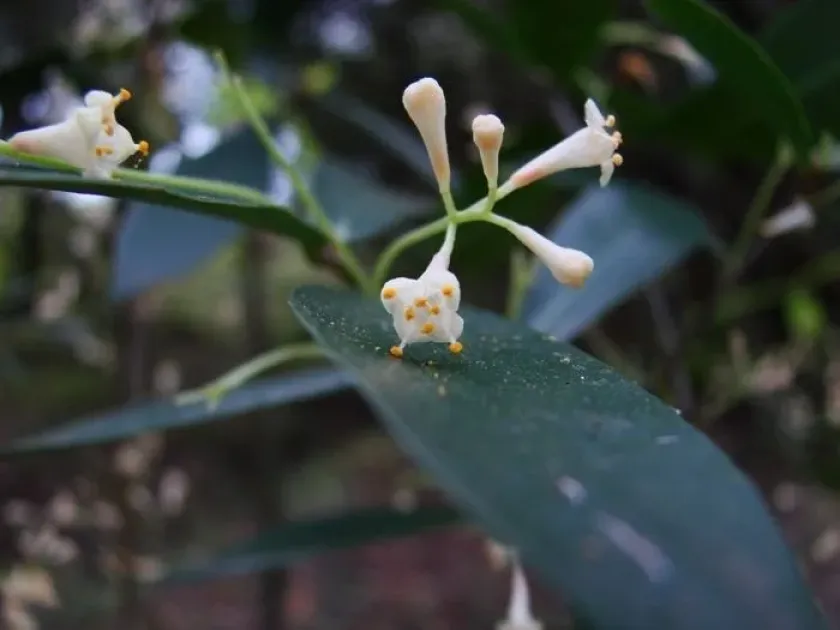
Description
Growing requirements
Daphnopsis utilis is a significant species within the Thymelaeaceae family, known primarily for its strong, durable bast fibers. This plant typically grows as a tropical shrub or a small tree, native to the diverse forest ecosystems of South and Central America.
Successful cultivation of Daphnopsis requires a tropical environment characterized by high humidity and consistent rainfall. The plant thrives in rich, well-drained soils, ideally located in shaded or semi-shaded areas that mimic its natural understory habitat.
Temperature stability is crucial for the healthy development of this crop, as sudden fluctuations can hinder growth rates and fiber formation. The root system is robust, allowing the plant to stabilize itself and extract essential nutrients from the forest floor efficiently.
Agricultural management includes site selection with adequate moisture retention, as drought stress negatively impacts the development of the stems. Proper spacing between individual plants is necessary to ensure optimal air circulation and light exposure, preventing fungal issues.
Propagation is generally performed through seeds or stem cuttings, depending on the scale of production. Once established, the plants require minimal intervention, provided that weed control is maintained during the early stages of the growth cycle.
Harvesting
The primary economic use of Daphnopsis utilis is the extraction of its bast fiber, which is stripped from the bark of the stems. This fiber is historically renowned for its exceptional tensile strength, elasticity, and resistance to environmental degradation.
Harvesting involves the careful removal of the outer bark layer, usually conducted on mature stems to ensure maximum fiber quality. Traditional processing involves soaking the bark in water, which allows the outer tissues to decay, revealing the refined, strong fibers within.
After the extraction process, the fibers are washed and dried under controlled conditions to preserve their mechanical properties. These fibers are traditionally used for crafting high-strength ropes, fishing nets, and various handwoven textile products.
Sustainable harvesting practices are essential to maintain the productivity of Daphnopsis stands. Rather than clear-cutting, harvesters selectively remove individual stems, allowing the remaining rootstock to sprout new shoots for future harvests.
The versatility of the material derived from Daphnopsis makes it a promising candidate for modern ecological textile applications. Research into mechanical stripping methods continues to improve the efficiency and quality of fiber output for wider industrial adoption.